Menominee casino pushback intensifies as Pleasant Prairie and Somers raise concerns over the proposed $360M project, citing negative local impacts.

Pleasant Prairie, Somers push back on proposed $360M Menominee casino – The Business Journals

Menominee casino pushback: 7 Shocking Details About the $360M Project Conflict
Menominee casino pushback has become the central point of contention as local governments in Pleasant Prairie and Somers voice strong opposition to a proposed $360 million gaming facility. This massive development project has sparked a fierce debate over land use, economic impact, and community stability.
As the Menominee Indian Tribe seeks to expand its gaming footprint, the friction between tribal ambitions and municipal concerns continues to grow. This tension highlights the complex relationship between tribal sovereignty and local zoning laws.
- Understanding the Menominee casino pushback
- The Economic Stakes of the $360M Proposal
- Why Menominee casino pushback is Growing in Somers
- Pleasant Prairie’s Stance on the Development
- Legal Hurdles and Menominee casino pushback
- Comparing Physical Casinos to Digital Alternatives
- Analyzing the Menominee casino pushback Strategy
- Potential Compromises for the Project
- The Future of Gaming in Wisconsin
- Conclusion
Understanding the Menominee casino pushback
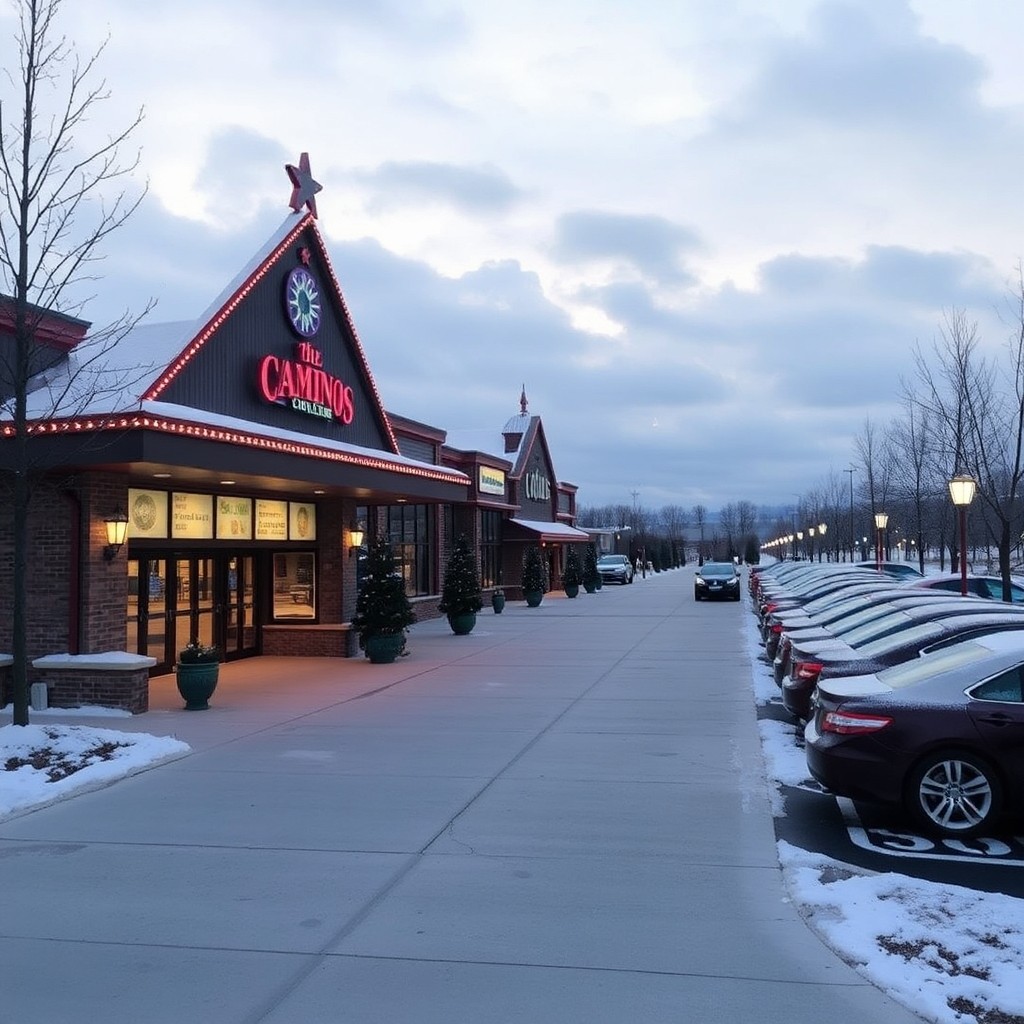
The Menominee casino pushback stems from a desire by local officials to maintain the residential character of their communities. They argue that a $360 million casino would introduce unprecedented traffic and noise pollution.
Residents are concerned that the sudden influx of gamblers will overwhelm existing infrastructure. This has led to organized community meetings where opposition is voiced loudly.
Furthermore, the Menominee casino pushback is rooted in fears regarding property value fluctuations. Homeowners worry that a massive commercial hub will detract from the quiet nature of the suburbs.
The Economic Stakes of the $360M Proposal
From the perspective of the Menominee Tribe, the project represents a vital economic engine for their people. The investment is intended to create hundreds of jobs and fund essential tribal services.
However, the Menominee casino pushback focuses on whether these benefits trickle down to the local municipalities. Critics question if the tax revenues promised will outweigh the cost of increased police and fire services.
The scale of the investment is staggering, aiming to create a world-class destination. Yet, for the towns of Pleasant Prairie and Somers, the scale is exactly what causes anxiety.
Why Menominee casino pushback is Growing in Somers
Somers is a community that prides itself on its rural feel and open spaces. The Menominee casino pushback in this area is driven by a desire to prevent urban sprawl.
Local leaders argue that the proposed site is incompatible with the surrounding zoning. They believe the casino would act as a magnet for unwanted commercial development.
This specific Menominee casino pushback emphasizes the preservation of agricultural land. Many residents view the project as a threat to the heritage of the region.
Environmental Concerns and Menominee casino pushback
Environmental impact studies are often a flashpoint in these disputes. The Menominee casino pushback includes worries about water runoff and habitat destruction.
Local activists are calling for more transparent reporting on how the construction will affect local wetlands. They argue that the $360 million project may permanently scar the landscape.
Infrastructure Strain and Menominee casino pushback
Roadways in Somers are not designed for the volume of traffic a major casino attracts. Consequently, the Menominee casino pushback highlights the need for massive road upgrades.
Municipalities fear they will be left footing the bill for these upgrades. This financial risk further fuels the local opposition.
Pleasant Prairie’s Stance on the Development
Pleasant Prairie has a different but equally strong reason for the Menominee casino pushback. As a growing hub, they are concerned about the saturation of the gaming market.
They believe that adding another massive casino could cannibalize existing businesses. The Menominee casino pushback here is as much about economic strategy as it is about land use.
Officials have expressed that they want “smart growth” rather than “rapid growth.” This philosophy puts them directly at odds with the tribe’s timeline.
Legal Hurdles and Menominee casino pushback
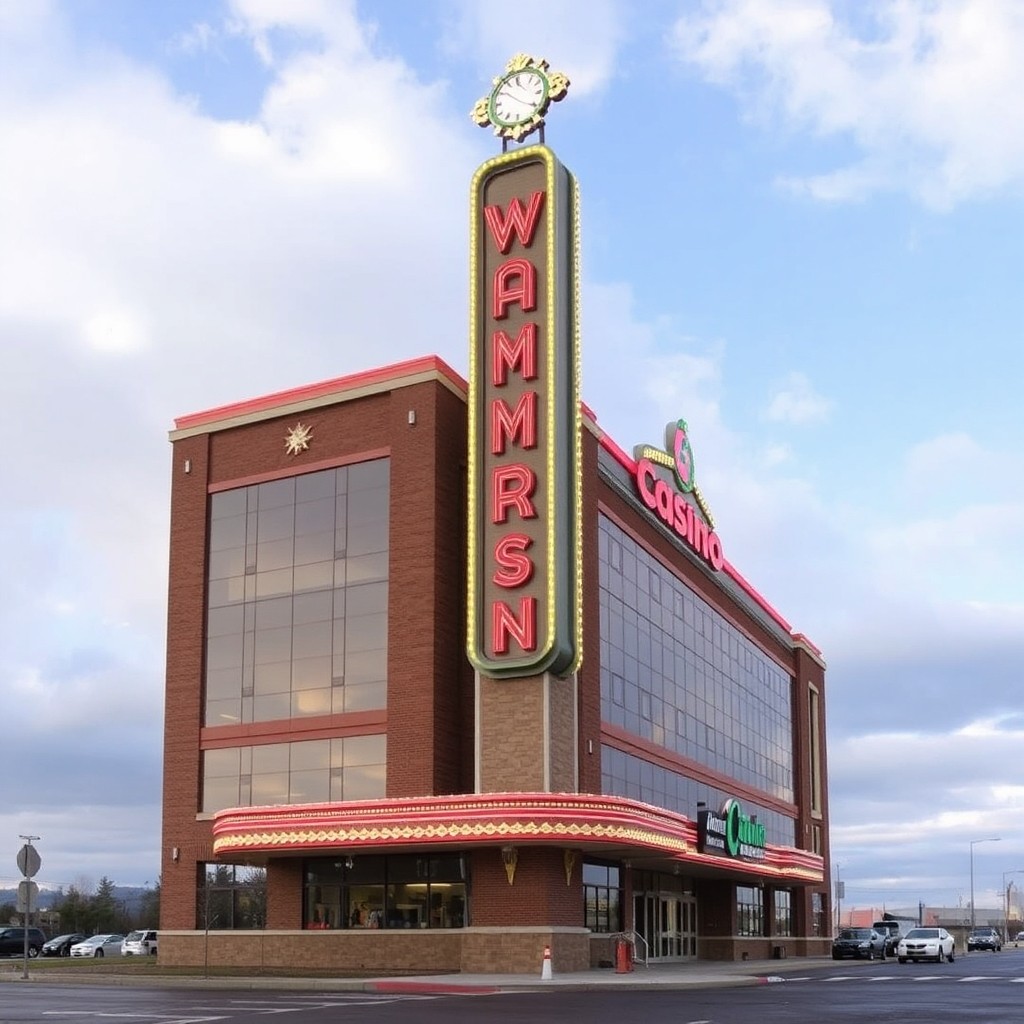
The legal battle surrounding the Menominee casino pushback involves complex questions of tribal sovereignty. Under federal law, tribes have certain rights to establish gaming facilities.
However, the interaction between federal rights and state zoning laws is often murky. This creates a legal vacuum that both sides are attempting to fill.
Courts may eventually have to decide if the Menominee casino pushback can legally block a project approved at a higher level of government. This makes the case a potential landmark for tribal law.
For more information on how gambling laws evolve, you can visit the Wikipedia page on Indian Gaming.
Comparing Physical Casinos to Digital Alternatives
While the physical Menominee casino pushback continues, the world is shifting toward digital gaming. Many users now prefer the convenience of online platforms over traveling to a brick-and-mortar site.
Digital platforms offer a way to experience gaming without the infrastructure strain that causes local pushback. For instance, enthusiasts often look for trusted sites like betobet.cc for their entertainment needs.
The rise of online casinos reduces the need for massive land acquisitions. This suggests that the conflict surrounding the Menominee casino pushback might be a symptom of an outdated development model.
Furthermore, modern players often explore various options, such as <a href='https://spinbebet.com/casino/5bet/’>5bet, to find the best bonuses and game variety.
Analyzing the Menominee casino pushback Strategy
The strategy behind the Menominee casino pushback involves a mix of political lobbying and public awareness campaigns. Opponents are using social media to galvanize the community.
By framing the issue as “the community vs. the corporation,” they have successfully brought in a wide array of supporters. This grassroots Menominee casino pushback is difficult for developers to ignore.
The tribe, on the other hand, is attempting to highlight the philanthropic benefits of the project. They are showcasing how the revenue will support education and healthcare.
Potential Compromises for the Project
To mitigate the Menominee casino pushback, some suggest a scaled-down version of the proposal. A smaller facility might be more palatable to the residents of Somers.
Another option is to implement strict traffic management plans. If the tribe can prove that the roads won’t be clogged, some of the Menominee casino pushback might fade.
Revenue-sharing agreements are also on the table. If Pleasant Prairie and Somers receive a larger direct cut of the profits, their opposition might soften.
The Future of Gaming in Wisconsin
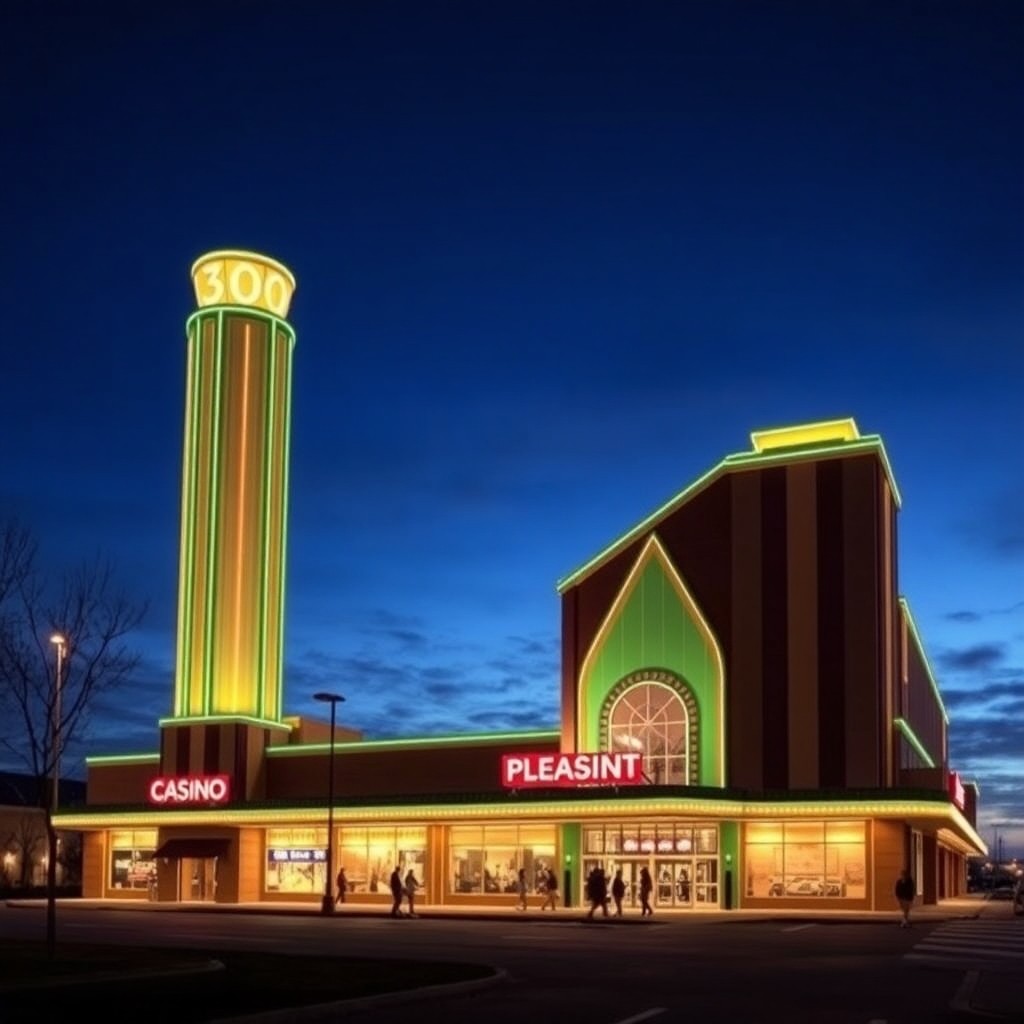
The outcome of the Menominee casino pushback will likely set a precedent for other tribal projects in the state. If the municipalities win, it could make future expansions much harder.
Conversely, if the casino is built, it may trigger a wave of similar developments. This uncertainty keeps local real estate markets in a state of flux.
Wisconsin’s gaming landscape is already competitive. The Menominee casino pushback reflects a broader societal debate about the role of gambling in local communities.
To see how other regions handle casino transitions, you can read about the Fox News reports on regional economic shifts.
Conclusion
Menominee casino pushback serves as a critical reminder of the friction that exists between economic ambition and community preservation. The $360 million project is a bold vision, but it faces a wall of local resistance that cannot be ignored.
Whether through legal battles, political compromises, or a shift toward digital gaming, a resolution must be found. The residents of Pleasant Prairie and Somers are determined to protect their way of life.
Ultimately, the Menominee casino pushback highlights the need for inclusive planning. Only through genuine dialogue can the tribe and the local municipalities find a path forward that benefits everyone involved.
As we look toward 2026, the resolution of this conflict will be a key indicator of how the gambling industry balances profit with social responsibility. The eyes of the state remain fixed on this high-stakes showdown.
Recommended Casinos
Read More









Recent News




Recent Gambling News