Las Vegas Casinos Sold: 2 major locals’ staples have new operators, shifting the off-Strip landscape. Get the full story and analysis right here.

2 locals casinos sell to new operator – Las Vegas Review-Journal

Las Vegas Casinos Sold: 7 Shocking Updates on the Gambling Market Shake-up
Las Vegas Casinos Sold reports are currently dominating the headlines as the gambling landscape shifts dramatically. Recent reports from the Las Vegas Review-Journal indicate a significant transition of ownership for local establishments.
This movement signals a new era for the “Entertainment Capital of the World.” Investors are aggressively seeking opportunities in both physical and digital gaming spaces.
- The Latest News on Las Vegas Casinos Sold
- Why These Las Vegas Casinos Sold to New Operators
- Impact of Las Vegas Casinos Sold on the Local Economy
- Comparing Physical Acquisitions and Online Trends
- How Las Vegas Casinos Sold Influence Gaming Strategy
- The Future of Gaming: From Brick-and-Mortar to Digital
- Key Lessons from Las Vegas Casinos Sold Events
The Latest News on Las Vegas Casinos Sold
The news that certain Las Vegas Casinos Sold to a new operator has sent ripples through the industry. Local properties are seeing a shift from legacy family owners to corporate giants.
These acquisitions often involve complex financial restructuring. The goal is usually to modernize the facilities to attract a younger demographic.
According to reports, the focus is shifting toward integrated resorts. This means combining gaming with high-end dining and luxury shopping experiences.
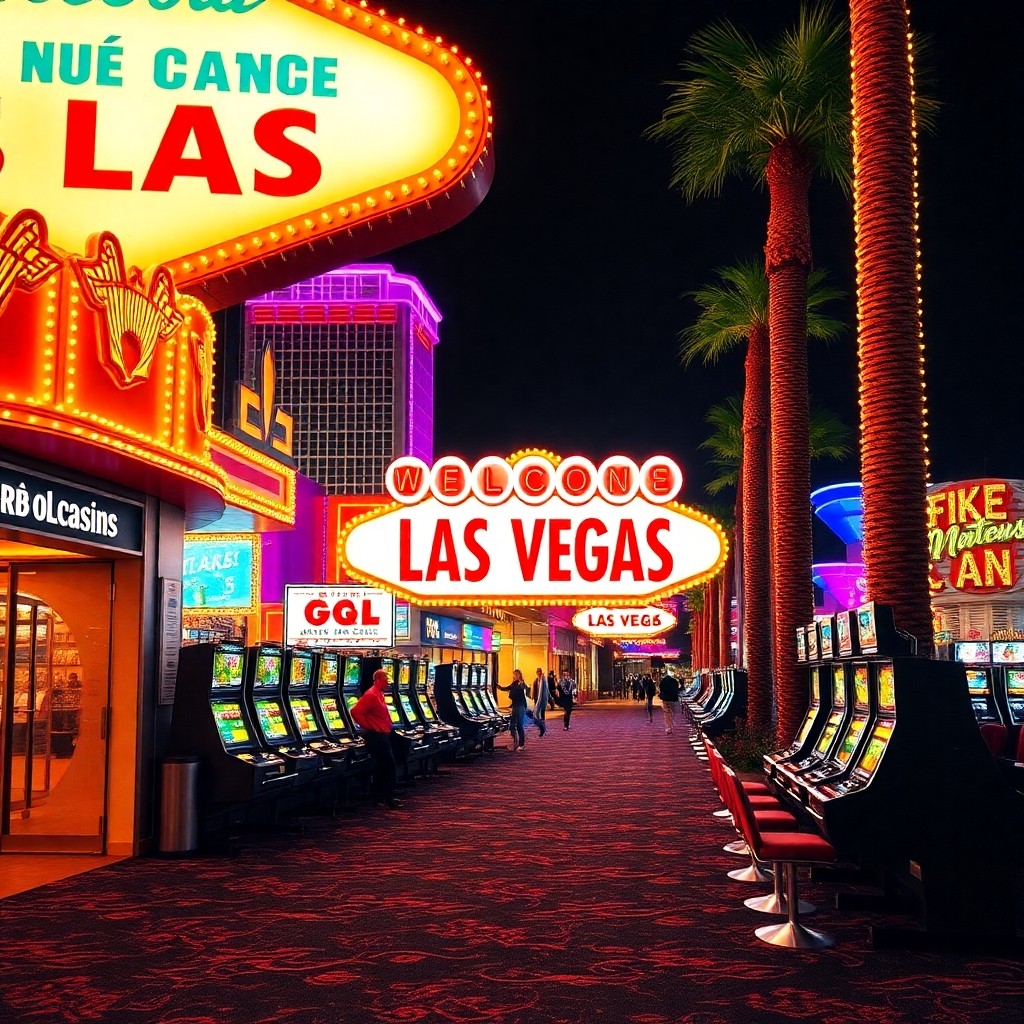
When we analyze why these Las Vegas Casinos Sold, we see a pattern of consolidation. Larger operators are buying smaller venues to increase their market share.
This allows for better resource management and shared marketing budgets. It also creates a more unified guest experience across multiple locations.
Many of these properties were previously managed by independent groups. Now, they are being absorbed into larger corporate portfolios.
Why These Las Vegas Casinos Sold to New Operators
Understanding why Las Vegas Casinos Sold requires a look at current economic trends. Rising operational costs have made it difficult for smaller operators to compete.
Maintenance of aging infrastructure is a primary driver for selling. Renovating a legacy casino requires millions of dollars in capital investment.
New operators bring fresh capital and modern management techniques. They can implement AI-driven loyalty programs to keep guests coming back.
Financial Pressures in Las Vegas Casinos Sold Transactions
Debt restructuring is often the catalyst for these Las Vegas Casinos Sold deals. High-interest rates have put pressure on the profit margins of local operators.
Selling to a larger conglomerate allows the original owners to exit with a profit. Meanwhile, the buyer gets a prime piece of real estate.
This trend is similar to what we see in the broader Wikipedia definition of casino consolidation globally.
Operational Efficiency in Las Vegas Casinos Sold Deals
Efficiency is the main goal when Las Vegas Casinos Sold properties are integrated. New owners often streamline staffing and vendor contracts.
This results in lower overhead and higher net profits. It also allows for the introduction of newer, more exciting slot machines and table games.
Modern operators are also focusing more on non-gaming revenue, such as entertainment and wellness centers.
Impact of Las Vegas Casinos Sold on the Local Economy
The fact that these Las Vegas Casinos Sold has a direct impact on local employment. While some positions may be streamlined, new roles are often created in management.
Increased investment usually leads to massive renovation projects. This creates thousands of temporary construction jobs for the local community.
Furthermore, the influx of capital boosts local supply chains. Food and beverage vendors see a spike in demand as menus are revamped.
Tourism trends also change when Las Vegas Casinos Sold properties get a facelift. New branding often attracts international tourists who previously ignored local spots.
This creates a positive ripple effect across the city’s hospitality sector. Hotels, ride-shares, and local attractions all benefit from the increased foot traffic.
The shift in ownership also leads to better integration with city-wide tourism initiatives. New operators often collaborate more closely with the Visit Las Vegas official tourism board.
Comparing Physical Acquisitions and Online Trends
While Las Vegas Casinos Sold deals make the news, the digital space is evolving even faster. Many physical operators are now launching online platforms.
The synergy between a physical casino and a digital app is the new gold standard. This creates an omni-channel experience for the gambler.
For those looking for high-quality digital alternatives, platforms like <a href='https://spinbebet.com/casino/betfury-io/’>betfury.io provide a glimpse into the future of gaming.
The agility of online platforms makes them more attractive than physical properties. There is no need for massive real estate maintenance or physical security.
However, the prestige of a physical location remains unmatched. This is why the trend of Las Vegas Casinos Sold continues despite the rise of iGaming.
Owners want the brand recognition that comes with a physical Vegas presence. It acts as a “billboard” for their overall gambling empire.
Moreover, the integration of crypto payments in online casinos is mirroring the move toward cashless gaming in physical venues.
We are seeing a convergence where the line between the physical and digital worlds blurs. A player can bet online and then visit the physical casino to claim a prize.
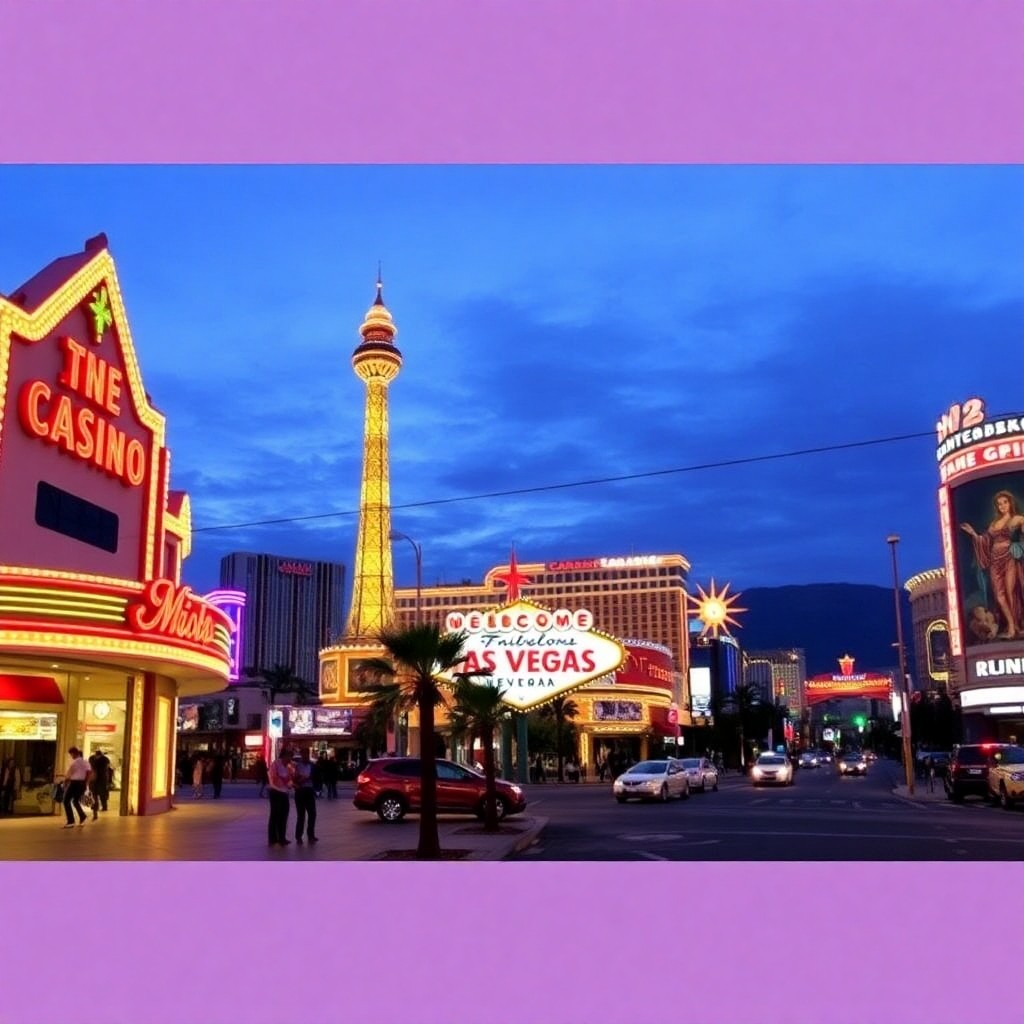
How Las Vegas Casinos Sold Influence Gaming Strategy
When Las Vegas Casinos Sold properties change hands, the gaming strategy usually pivots. We see a shift from traditional gambling to “experience-based” gaming.
This means adding more interactive elements to the casino floor. The goal is to make the visit an event rather than just a gambling trip.
New operators are introducing “gamification” into their loyalty programs. This encourages players to complete challenges to earn rewards.
The Las Vegas Casinos Sold trend also shows a move toward “boutique” experiences. Smaller, more curated environments are becoming more popular than massive halls.
This strategy focuses on high-net-worth individuals who prefer privacy and exclusivity. High-limit rooms are being redesigned for maximum luxury.
Additionally, the data collected from these Las Vegas Casinos Sold operations helps operators understand player behavior.
They use this data to tailor promotions to specific demographics. This precision marketing increases the “lifetime value” of the average customer.
The result is a more personalized experience for the guest. The casino knows your favorite drink and your preferred betting limit before you arrive.
The Future of Gaming: From Brick-and-Mortar to Digital
The cycle of Las Vegas Casinos Sold is just the beginning of a larger evolution. We are moving toward a hybrid model of entertainment.
Virtual Reality (VR) is expected to play a huge role in the next decade. Imagine visiting a Vegas casino from your living room through a headset.
This hybrid approach allows operators to scale their reach globally. They can monetize their brand without needing to build a physical building in every city.
As we see more Las Vegas Casinos Sold, we will likely see more partnerships with tech companies. Software developers are becoming the new “operators” of the industry.
For those who prefer the convenience of a mobile interface, sites like <a href='https://spinbebet.com/casino/5bet/’>5bet offer a seamless transition from traditional betting to digital gaming.
The accessibility of these platforms is driving the growth of the global market. People in regions without physical casinos can now experience the thrill of the game.
This digital expansion puts pressure on physical venues to innovate. They must offer something that a screen cannot provide: human interaction and atmosphere.
The smell of the carpet, the sound of the chips, and the energy of the crowd are the unique selling points of physical venues.
Therefore, the properties that are among the Las Vegas Casinos Sold will likely focus heavily on the “sensory” experience to stay relevant.
Key Lessons from Las Vegas Casinos Sold Events
The primary lesson from the Las Vegas Casinos Sold phenomenon is that adaptability is key. Those who fail to modernize are eventually forced to sell.
Diversification of revenue streams is the only way to survive economic downturns. Relying solely on slot machines is a risky strategy in 2026.
Investment in technology is no longer optional; it is a requirement. From biometric entry to AI dealers, technology is everywhere.
The Las Vegas Casinos Sold trend also teaches us about the importance of brand equity. A well-known name can command a higher sale price even if the building is old.
Strategic acquisitions allow companies to hedge their bets across different market segments. They can own a luxury resort, a budget hotel, and a digital app simultaneously.
This creates a safety net that protects the parent company from volatility in any single sector.
Furthermore, these Las Vegas Casinos Sold deals highlight the importance of regulatory compliance. New operators must navigate complex gaming laws to ensure a smooth transition.
Failure to adhere to these laws can lead to massive fines or the loss of a gaming license.
The move toward transparency and responsible gaming is also becoming a core part of the business model. New owners are implementing stricter player-protection protocols.
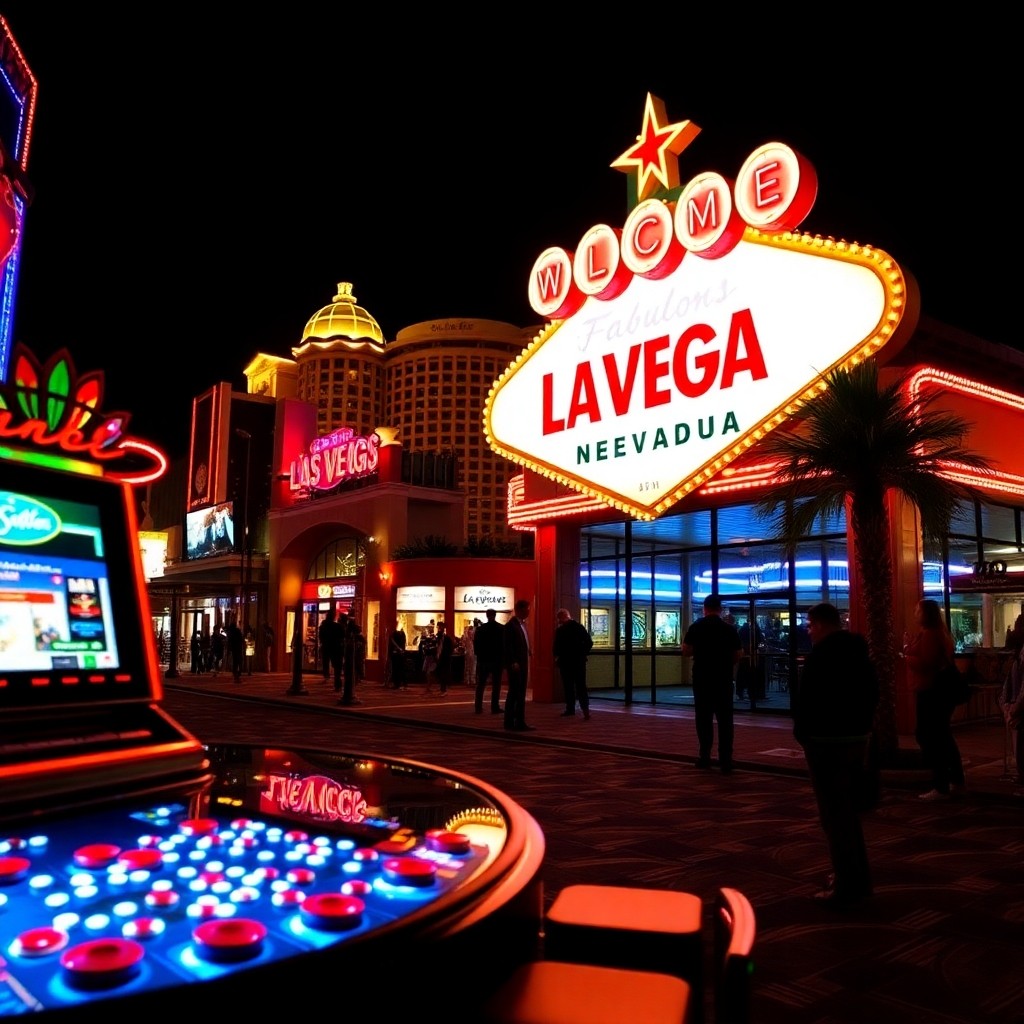
This shift is not just about ethics; it is about sustainability. A sustainable player base is more profitable in the long run than one that burns out quickly.
We are seeing a rise in “wellness gaming,” where breaks and mental health are encouraged during play.
This holistic approach is becoming a hallmark of the newest owners of the Las Vegas Casinos Sold properties.
By prioritizing the player’s well-being, these casinos are building deeper trust with their customers.
This trust translates into loyalty and higher retention rates over time.
Ultimately, the movement of Las Vegas Casinos Sold is a sign of a healthy, evolving market.
It shows that the industry is capable of renewing itself by shedding old skins and embracing new visions.
The “new Vegas” is more inclusive, more tech-savvy, and more diverse than ever before.
Whether you are a high roller or a casual player, the changes are beneficial for the end user.
The competition between new owners will lead to better amenities, better rewards, and more exciting games.
The excitement of the Strip is not fading; it is simply changing its shape.
The transition of ownership is the engine that drives this constant improvement.
As we look toward the rest of the decade, we can expect more Las Vegas Casinos Sold announcements as the market continues to consolidate.
The landscape of gaming is being rewritten in real-time, and Las Vegas remains the epicenter of this transformation.
Every sale is a step toward a more integrated and immersive gambling experience for everyone involved.
Conclusion
In summary, the news of Las Vegas Casinos Sold represents a pivotal shift in the gaming world. The transition to new operators brings necessary capital, technology, and a fresh perspective to the city.
By moving toward a hybrid model of physical and digital gaming, the industry is ensuring its survival in a digital age.
As more Las Vegas Casinos Sold properties are updated, the experience for the visitor will only improve.
Whether you prefer the glitz of the Strip or the convenience of an online app, the evolution of the industry provides the best of both worlds.
Stay tuned for more updates as the gambling landscape continues to evolve through these high-stakes acquisitions.
Recommended Casinos
Read More








Recent News




Recent Gambling News