Roanoke Casino Debate continues as state lawmakers remain strongly opposed and concerned, describing the project as a terrible idea for the local community.

‘A terrible idea’: State lawmakers still opposed to Roanoke casino – Roanoke Times

Roanoke Casino Debate: 7 Shocking Truths About the Legal Battle
- Introduction to the Roanoke Casino Debate
- Why Lawmakers Call the Roanoke Casino Debate a ‘Terrible Idea’
- Economic Promises vs. Political Reality in the Roanoke Casino Debate
- Understanding the Legal Hurdles of the Roanoke Casino Debate
- The Role of Public Opinion in the Roanoke Casino Debate
- Comparing Local Battles to Global Gaming Trends
- The Future Outlook of the Roanoke Casino Debate
- Conclusion
Roanoke Casino Debate has become a central point of contention for Virginia state lawmakers and local residents alike. The tension between economic growth and moral opposition continues to fuel this fire.
As the city looks for ways to revitalize its downtown area, the prospect of a casino remains a polarizing topic. Some see a goldmine, while others see a social disaster.
The recent reports from the Roanoke Times highlight just how deep the divide goes. Many legislators are not just hesitant; they are actively opposed to the idea.
Introduction to the Roanoke Casino Debate
The Roanoke Casino Debate is not merely about gambling; it is about the identity of a city. For years, proponents have argued that a resort-style casino would bring thousands of jobs.
However, the opposition argues that the costs outweigh the benefits. They cite concerns over addiction and the degradation of local culture.
When we look at the historical context, Virginia has had a complicated relationship with gaming. The state has slowly opened its doors to certain forms of gambling, but not everywhere.
This creates a fragmented landscape where some cities thrive while others are left in the dark. This disparity is what fuels the current Roanoke Casino Debate.
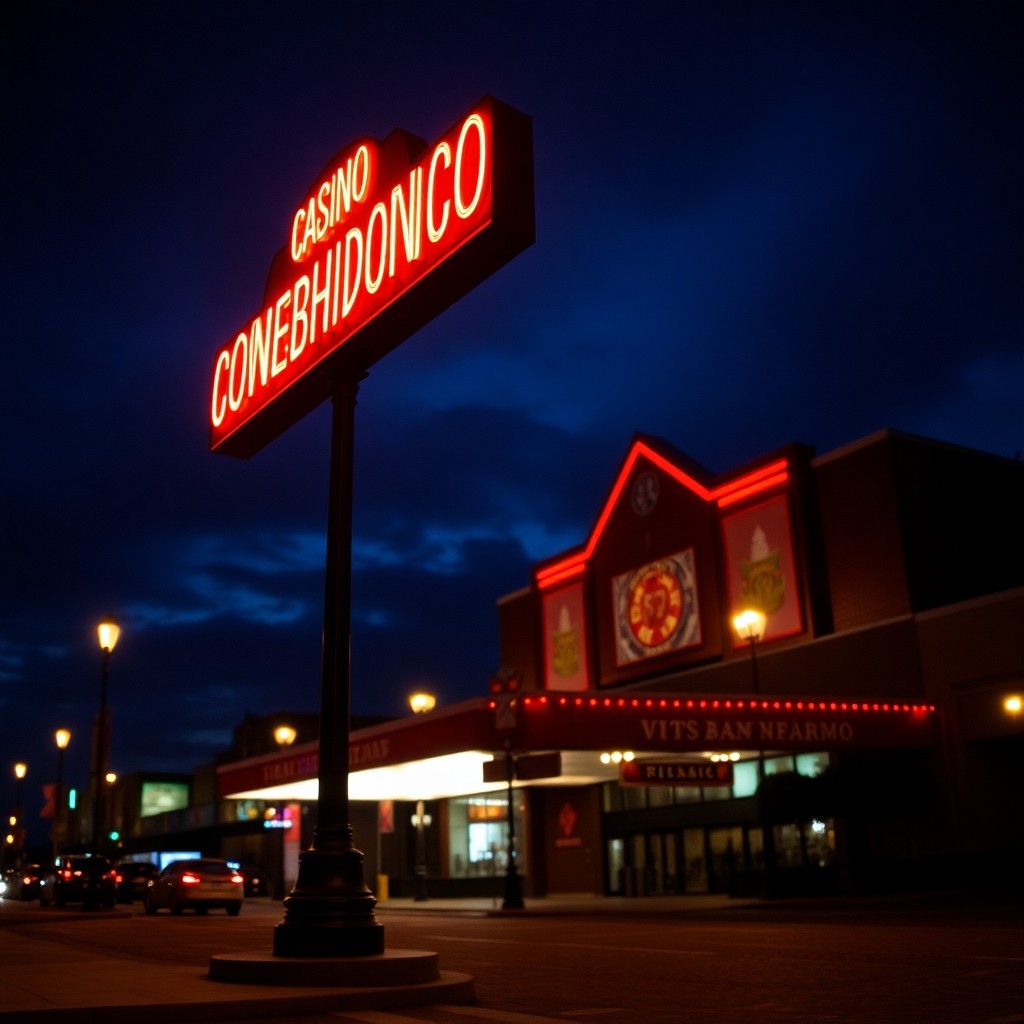
Many citizens feel that Roanoke deserves the same economic opportunities as other regions. They argue that the tax revenue could fund schools and infrastructure.
Yet, the political climate in the state capitol remains chilly. The Roanoke Casino Debate is often used as a litmus test for conservative values in the legislature.
Lawmakers are wary of setting a precedent that could lead to an explosion of casinos across the state. They fear a “casino race” that would cannibalize existing businesses.
Why Lawmakers Call the Roanoke Casino Debate a ‘Terrible Idea’
In recent legislative sessions, the Roanoke Casino Debate has been met with harsh criticism. Some lawmakers have gone as far as calling the project a “terrible idea.”
The core of this opposition lies in the belief that casinos do not create sustainable wealth. They argue that the jobs created are often low-wage and unstable.
Furthermore, there is a fear that a casino would draw money away from local small businesses. Instead of spending at local boutiques, tourists might stay within the casino walls.
This “cannibalization effect” is a recurring theme in the Roanoke Casino Debate. It suggests that the net gain for the city might be zero or even negative.
Additionally, social conservative lawmakers view gambling as a moral failing. They believe the state should not be in the business of profiting from addiction.
This moral stance makes the Roanoke Casino Debate a battle of values. It is not just about spreadsheets and ROI, but about the soul of the community.
Critics also point to the potential for increased crime rates. They argue that where there is large-scale gambling, there is often an increase in theft and fraud.
These concerns have made it nearly impossible for the pro-casino lobby to gain a foothold in the state house. The Roanoke Casino Debate remains stalled by these fundamental disagreements.
The Social Impact of the Roanoke Casino Debate
One of the most pressing issues in the Roanoke Casino Debate is the impact on vulnerable populations. Gambling addiction can devastate families and lead to bankruptcy.
Opponents argue that the state lacks the infrastructure to handle a surge in gambling-related crises. They believe the social cost is too high to justify the revenue.
The Political Deadlock of the Roanoke Casino Debate
The political deadlock surrounding the Roanoke Casino Debate is a reflection of a divided Virginia. Rural lawmakers often clash with urban planners over land use and development.
Until a compromise is reached regarding tax distribution, the Roanoke Casino Debate will likely remain at a standstill. The fight for funding is as much about power as it is about money.
Economic Promises vs. Political Reality in the Roanoke Casino Debate
Supporters of the project often bring flashy presentations to the table. They promise millions in annual tax revenue and a boost to the hospitality sector.
In the Roanoke Casino Debate, these numbers are often contested by independent economists. Some argue that the projected growth is overly optimistic.
The reality is that casino developments require massive upfront investment. This often means the city must provide tax breaks or incentives to attract developers.
When these incentives are factored in, the actual profit for the public decreases. This is a key point of contention in the ongoing Roanoke Casino Debate.
Moreover, the tourism promised by a casino may not be the “high-quality” tourism the city wants. They may attract “day-trippers” who spend very little outside the gaming floor.
This distinction is crucial in the Roanoke Casino Debate. The city wants sustainable growth, not a temporary spike in foot traffic.
Despite this, the allure of a “quick fix” for budget deficits remains strong. This is why the Roanoke Casino Debate continues to surface every few years.
For those who enjoy the thrill of gaming, the lack of a local venue is a frustration. They often turn to online alternatives to satisfy their cravings.
For example, many users explore platforms like BetRepublic to experience a wide variety of games from home.
The rise of digital gambling adds another layer to the Roanoke Casino Debate. Lawmakers must decide if physical casinos are even relevant in a digital age.

Understanding the Legal Hurdles of the Roanoke Casino Debate
The legal framework in Virginia is strict regarding the authorization of casinos. Only specific jurisdictions have been granted the right to host these establishments.
To move forward, the Roanoke Casino Debate requires a change in state law. This means a majority vote in both the House of Delegates and the Senate.
Current laws are designed to prevent a proliferation of gambling. This legislative wall is the biggest obstacle in the Roanoke Casino Debate.
Legal experts suggest that a referendum might be the only way to bypass legislative stubbornness. However, calling a public vote is an expensive and risky move.
If the public votes “no,” the Roanoke Casino Debate would effectively be dead for a generation. Politicians are hesitant to take such a gamble.
Furthermore, there are zoning laws and environmental regulations to consider. Building a massive resort involves significant land alteration.
These technical hurdles often get lost in the noise of the Roanoke Casino Debate. But they are just as important as the political arguments.
Opponents use these legal complexities as a shield to prevent progress. They argue that the legal risk of lawsuits is too high for the city to bear.
Meanwhile, proponents argue that the law can be adapted. They point to other states that have successfully integrated casinos into their urban centers.
To understand the broader context of gaming laws, you can visit Wikipedia for a detailed overview of US gambling legislation.
The Role of Public Opinion in the Roanoke Casino Debate
Public opinion is split down the middle. Some residents are desperate for the jobs that a casino would provide.
In the Roanoke Casino Debate, the working class often finds themselves in favor of the project. They see it as a path to better employment opportunities.
Conversely, homeowners in the surrounding areas fear the noise and traffic. They worry that their property values will plummet as the area becomes “commercialized.”
This “NIMBY” (Not In My Backyard) sentiment is a powerful force in the Roanoke Casino Debate. It creates a vocal minority that lawmakers are afraid to ignore.
Town hall meetings have often turned into shouting matches. People are passionate about how their city evolves.
The Roanoke Casino Debate also highlights the gap between corporate interests and community needs. Developers want profit; residents want peace.
Some community leaders suggest a “middle ground” approach. This could include a smaller gaming facility without the full-scale resort elements.
However, developers argue that the scale is what makes the project viable. This binary choice keeps the Roanoke Casino Debate in a loop of disagreement.
For those interested in how other regions handle casino competition, reading about Rivers Casino’s expansion provides a great comparison.
Seeing how other cities navigate these waters can provide a roadmap for those involved in the Roanoke Casino Debate.
Comparing Local Battles to Global Gaming Trends
The Roanoke Casino Debate does not exist in a vacuum. Globally, the gaming industry is shifting toward integrated resorts.
These resorts combine gambling with luxury shopping, theaters, and convention centers. This model is designed to attract high-net-worth individuals.
If the Roanoke Casino Debate results in a “yes,” this is the model the city would likely follow. It transforms a casino into a destination.
However, this model requires an immense amount of capital. It is not a project for small-time investors.
Looking at global trends, we see that regulation is becoming more stringent. Governments are focusing more on “Responsible Gaming” initiatives.
Integrating these safeguards into the Roanoke Casino Debate could appease some of the skeptics. A commitment to addiction treatment could be a game-changer.
Moreover, the integration of technology is changing the game. Virtual reality and AI are making gaming more immersive.
This means a physical casino in Roanoke would need to offer something a smartphone cannot. This “experience economy” is a key part of the Roanoke Casino Debate.
For a glimpse into the high-stakes world of professional gambling, you can check out 5bet to see current trends in online offerings.
The contrast between local physical constraints and global digital freedom is a central irony of the Roanoke Casino Debate.
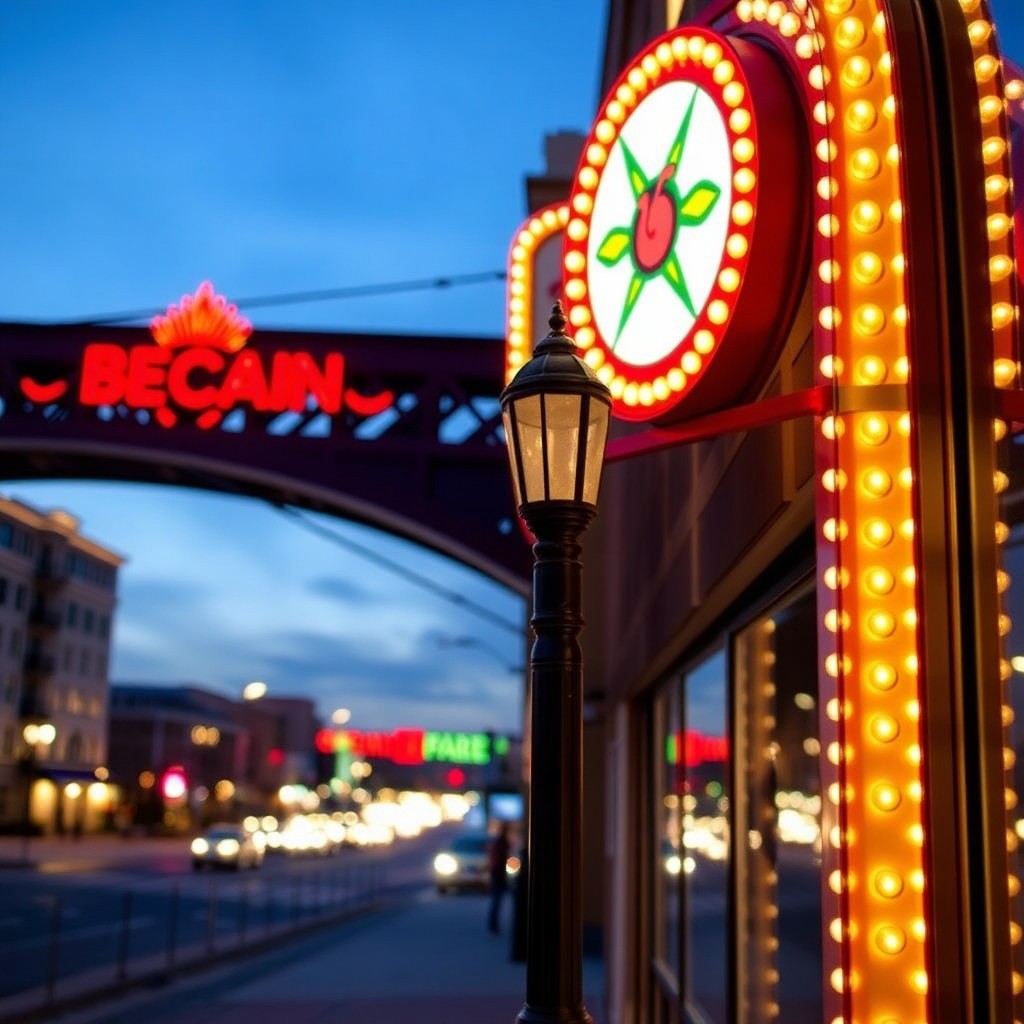
The Future Outlook of the Roanoke Casino Debate
What does the future hold for the Roanoke Casino Debate? In the short term, the outlook remains grim.
With the current legislative makeup, a bill favoring the casino is unlikely to pass. The opposition is too well-organized and too ideologically driven.
However, political tides change. A shift in the governor’s office or a change in legislative leadership could reignite the Roanoke Casino Debate.
Economic desperation can also be a powerful motivator. If the city faces a severe budget crisis, the “terrible idea” might suddenly seem acceptable.
We may also see a shift toward “boutique gambling.” Small-scale gaming lounges might be an easier sell than a massive resort.
This gradual approach could slowly move the needle in the Roanoke Casino Debate, normalizing the presence of gaming in the city.
Another possibility is the influence of neighboring states. If surrounding regions build massive resorts, Roanoke may feel the “leakage” of its own wealth.
When residents spend their money in other states, it creates a powerful economic argument for the Roanoke Casino Debate proponents.
For more information on official state policies, you can refer to the Official Website of the Commonwealth of Virginia.
Ultimately, the Roanoke Casino Debate is a struggle for control over the city’s future. It is a test of whether Roanoke will embrace modernity or cling to tradition.
As the years pass, the arguments will evolve, but the core conflict will remain. The Roanoke Casino Debate is a mirror reflecting the broader tensions of American society.
Conclusion
The Roanoke Casino Debate serves as a fascinating case study in the conflict between economic ambition and social conservatism. While the promise of jobs and taxes is alluring, the fear of social decay remains a powerful deterrent.
For now, it seems the lawmakers’ view of the project as a “terrible idea” will prevail. The political will simply isn’t there to push through such a controversial change.
However, the conversation is far from over. As long as there is a desire for growth and a hunger for gaming, the Roanoke Casino Debate will continue to simmer.
Whether Roanoke eventually welcomes a casino or decides to forge a different path, the debate itself has highlighted important questions about community values.
The city must decide what it wants to be known for. Does it want to be a gaming hub or a bastion of traditional values?
Until that question is answered, the Roanoke Casino Debate will remain one of the most contentious issues in the region.
Recommended Casinos
Read More








Recent News




Recent Gambling News