Kalshi CEO Casino conflict deepens as Indian tribes fire back. Discover the 3 shocking reasons this ‘testy’ relationship could create an existential threat.

Inside Kalshi CEO Tarek Mansour’s testy relationship with Indian casinos — and how it could pose an existential threat: ‘Lying little twerp’ – nypost.com

Kalshi CEO Casino: 7 Shocking Revelations About the Industry Feud
Kalshi CEO Casino tensions are reaching a boiling point as the intersection of prediction markets and global gambling undergoes a massive shift. The recent headlines involving Tarek Mansour have sent shockwaves through the digital betting community.
As we look toward the best online casino deals in 2026, understanding these regulatory and personal battles is crucial for any savvy player. This article dives deep into the friction between prediction market leaders and the massive Indian casino sector.
Table of Contents
- The Growing Kalshi CEO Casino Conflict
- Understanding the Tarek Mansour Controversy
- Why the Kalshi CEO Casino Dynamic Matters to You
- The Indian Casino Market vs. Prediction Markets
- Legal Implications and Existential Threats
- How to Navigate the Changing Landscape
- The Future of Prediction Markets and Betting
- Conclusion
The Growing Kalshi CEO Casino Conflict
Kalshi CEO Casino dynamics have become a hot topic in financial and gambling circles alike. The core of the issue lies in how prediction markets interact with traditional betting structures.
Tarek Mansour, the leader of Kalshi, has found himself in a verbal war with major players in the international market. This isn’t just a disagreement over numbers; it is a battle for legitimacy.
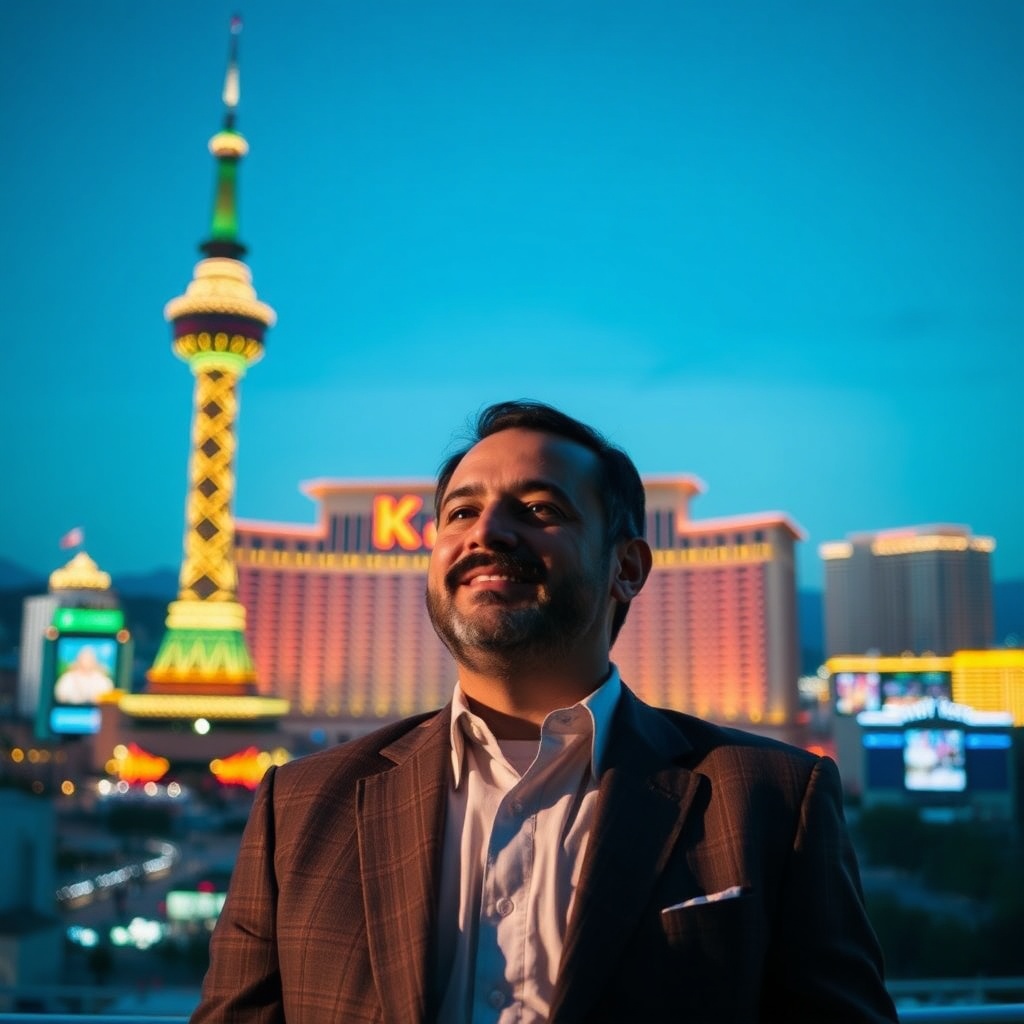
When we talk about the Kalshi CEO Casino situation, we are talking about the friction between regulated financial instruments and unregulated offshore betting. This tension is expected to define the industry through 2026.
Many analysts believe that the aggressive stance taken by Mansour could alienate certain sectors of the global gambling market. However, his supporters see it as a necessary move to protect the integrity of prediction markets.
As users seek out platforms like BetRepublic, they must stay informed about these high-level corporate wars. The stability of your favorite platforms often depends on these regulatory outcomes.
Understanding the Tarek Mansour Controversy
The recent NY Post report highlighted a series of heated exchanges that have stunned the industry. Mansour has been accused of using inflammatory language during high-stakes negotiations.
The phrase “lying little twerp” has surfaced in discussions regarding his relationship with offshore gaming entities. Such language is rare in the professional world of fintech and high-stakes gambling.
This specific Kalshi CEO Casino controversy highlights a deeper cultural divide. On one side, you have the regulated, US-based prediction market enthusiasts. On the other, you have the massive, often loosely regulated, international casino giants.
The dispute isn’t just personal; it is about how these entities represent themselves to regulators. If a leader is seen as volatile, it can attract unwanted scrutiny from government agencies like the Securities and Exchange Commission.
For players looking for reliability, these news cycles are vital. A company in turmoil is a company that might struggle to maintain its liquidity or its license.
The Impact of Kalshi CEO Casino Rhetoric
Rhetoric matters in the world of finance. When the Kalshi CEO Casino debate enters the mainstream media, it affects investor confidence.
If prediction markets are seen as just another form of “casino gambling,” they may face stricter oversight. Mansour’s goal is to differentiate Kalshi from traditional gambling, but his methods are causing confusion.
This confusion can lead to a “gray market” scenario where players are unsure of the legality of their bets. Staying updated with sites like SpinBebet helps you avoid these pitfalls.
Why the Kalshi CEO Casino Dynamic Matters to You
You might wonder why a corporate feud in the US affects your online betting experience. The answer lies in the global standardization of betting laws.
The Kalshi CEO Casino clash is a litmus test for how much freedom online bettors will have in the coming years. If prediction markets win the regulatory battle, betting could become much more sophisticated.
We could see a future where “event betting” is treated with the same rigor as stock trading. This would offer players better odds, more transparency, and faster payouts.
However, if the backlash against Mansour leads to tighter restrictions, the “fun” aspect of online casinos might be stifled by excessive compliance requirements. This could limit the variety of games available.
For those who enjoy the high-octane environment of betfury.io, these changes are worth watching closely. The evolution of the industry is happening in real-time.
The Indian Casino Market vs. Prediction Markets
India represents one of the largest untapped and rapidly growing markets for online gaming. The scale of the Indian casino sector is almost incomparable to US-based niche markets.
The tension between Mansour and Indian-linked entities is largely a struggle for market dominance. Indian operators have mastered the art of mass-market engagement.
Kalshi, conversely, focuses on a highly educated, financially literate demographic. This creates a natural friction point between two very different business models.
The Kalshi CEO Casino narrative is often framed as a clash of civilizations in the digital betting age. One is driven by high-frequency trading logic, while the other is driven by entertainment and social engagement.

As these two worlds collide, we see an increase in cross-platform competition. This is great for the consumer, as it drives down margins and increases bonus offers.
How the Kalshi CEO Casino Feud Shapes Global Policy
International regulators are watching this dispute with intense interest. They are looking for signs of whether prediction markets should be classified under gambling laws or financial laws.
The Kalshi CEO Casino dispute provides a perfect case study for lawmakers. Does the behavior of a CEO influence the classification of the entire asset class?
If the “twp” comments are seen as unprofessional, it could undermine the “serious finance” image Kalshi is trying to project. This could lead to a middle-ground regulation that satisfies no one.
We must also consider the role of offshore jurisdictions. Many of these entities operate under licenses from places like Malta, as documented by Wikipedia.
Legal Implications and Existential Threats
The term “existential threat” is not being used lightly here. If Kalshi fails to navigate these interpersonal and regulatory waters, the entire concept of prediction markets could be jeopardized.
A major legal setback could prevent US-based companies from ever offering event-based betting to the general public. This would leave the market entirely to offshore entities.
The Kalshi CEO Casino conflict could inadvertently hand the market to the very entities Mansour is criticizing. This would be a massive strategic failure.
Furthermore, the legal definitions of “wagering” vs. “speculating” are being tested in courtrooms globally. The outcome of these cases will dictate where you can legally place your bets in 2026.
For players, this means the importance of using verified, high-quality platforms becomes even more paramount. You don’t want your funds caught in a regulatory crossfire.
How to Navigate the Changing Landscape
With so much volatility in the industry, how should the average user protect themselves? First, prioritize transparency and licensing.
The Kalshi CEO Casino drama teaches us that even the most innovative companies can be derailed by leadership issues. Always look for platforms with a long-standing reputation.
Second, diversify your betting platforms. Do not rely on a single entity that might be subject to sudden regulatory shifts or legal battles.
Third, stay informed. The world of online casinos is no longer just about spinning reels; it is about understanding global finance and law. Knowledge is your best defense against market volatility.
As we move toward 2026, the lines will continue to blur. The ability to distinguish between a legitimate financial instrument and a game of chance will be a key skill for every modern bettor.
The Future of Prediction Markets and Betting
Looking ahead, the fusion of these two worlds seems inevitable. We will likely see “hybrid” platforms that offer both traditional casino games and sophisticated prediction markets.
The Kalshi CEO Casino saga will likely be remembered as the “growing pains” period of this merger. Every major industry shift involves conflict before it achieves equilibrium.
In the future, we might see prediction markets being integrated directly into mainstream banking apps. This would make “betting” on the news as easy as checking your balance.
The intensity of the current debate suggests that the stakes are incredibly high. The winners of this battle will control the flow of trillions of dollars in global speculative capital.
For the end-user, this means more choices, better technology, and a much more engaging experience. The “casino” of 2026 will look nothing like the casinos of 2016.
Conclusion
Kalshi CEO Casino disputes serve as a powerful reminder that the betting industry is undergoing a massive transformation. While the personal attacks and heated rhetoric might seem like mere tabloid fodder, they represent deep-seated systemic shifts.
The tension between Tarek Mansour’s vision and the established Indian casino market is a battle for the very soul of digital wagering. Whether this results in a more regulated, professional market or a fragmented, chaotic one remains to be seen.
As a player, your best strategy is to stay informed, remain cautious, and always choose reputable platforms. The landscape of 2026 promises excitement, but only for those prepared for the change.
Keep following SpinBebet for the latest updates on the best online casino deals and the industry news that matters most to your wallet.
Recommended Casinos
Read More








Recent News




Recent Gambling News