Indiana voters shut down local casino referendums in an impactful decision that has sent a clear message to organizers about the ‘not for sale’ sentiment.

‘Not for sale’: Organizers react as Northeast Indiana voters shut down casino referendums – WPTA | 21Alive | Fort Wayne, IN

Indiana voters shut down casino referendums: 5 Shocking reasons why
- The Sudden Shift in Northeast Indiana
- Why Indiana Voters Shut Down the Referendum
- Organizers React to the Defeat
- The Impact of Indiana Voters Shut Down Decisions
- Comparing Local Referendums to Global Trends
- Future of Gambling in the Region
- Conclusion
Indiana voters shut down the highly anticipated casino referendums in Northeast Indiana, leaving local organizers in a state of complete disbelief. The decision marks a significant turning point for the region’s economic development plans. Many expected these new venues to bring massive revenue to the community.
Instead, the community sent a clear message regarding the types of industries they want in their neighborhoods. This movement highlights a growing trend of local resistance to large-scale gambling expansion. As we look toward 2026, the landscape of gaming is shifting rapidly.
The Sudden Shift in Northeast Indiana
For months, proponents of the new casino projects promised jobs and tax revenue. They argued that the local economy desperately needed a boost from tourism and gaming. However, the sentiment among the populace began to sour as the election approached.
The debate became heated, with community members expressing concerns over social impacts. Many felt that the “not for sale” sentiment was a direct response to corporate interests. It seems that Indiana voters shut the door on these specific development proposals.
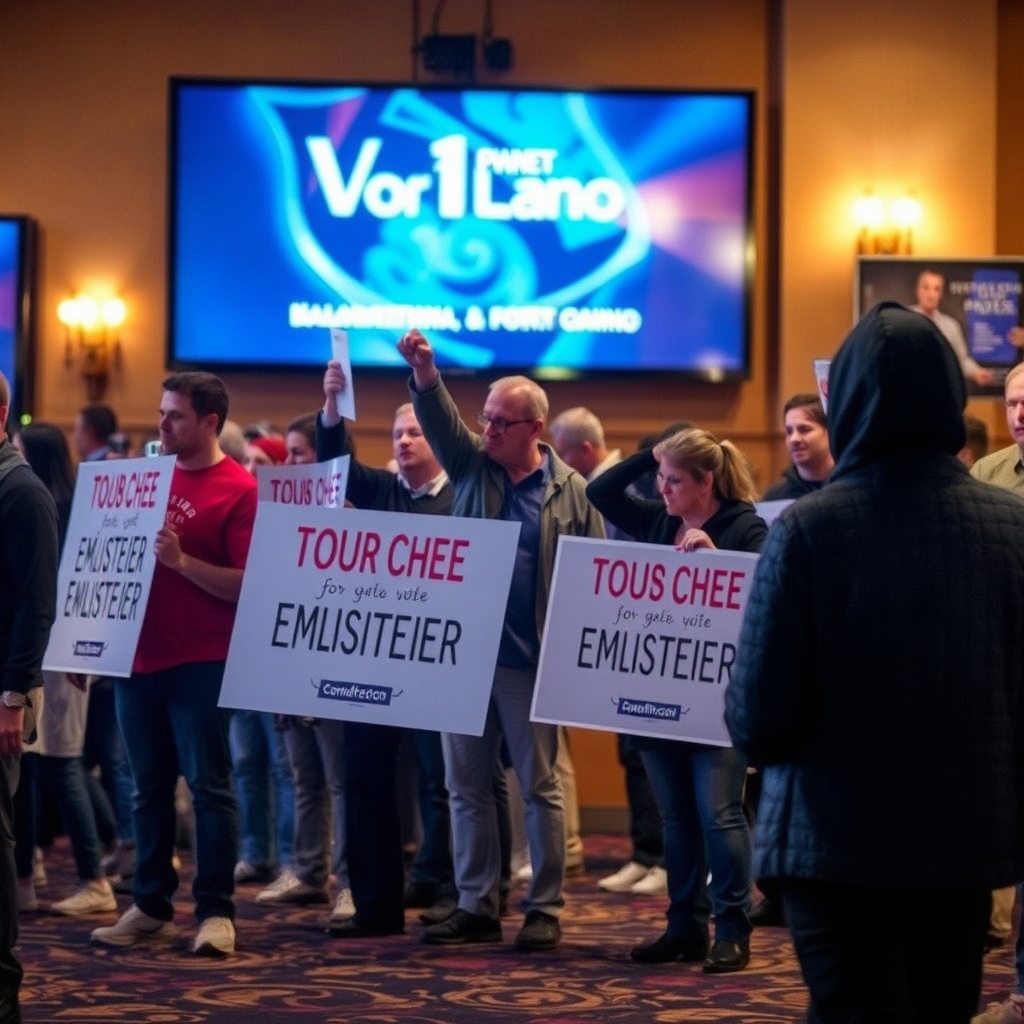
Local leaders had hoped these casinos would act as anchors for new commercial growth. They envisioned modern facilities that would attract visitors from across the state. Unfortunately, the public saw these projects through a much more critical lens.
The resistance was not just a small group of activists. It was a broad consensus that crossed various demographic lines. This is why Indiana voters shut down the momentum that had been building for years.
Understanding this shift requires looking at the core arguments presented during the campaign. The clash between economic promise and social preservation was the central theme. It was a battle for the soul of Northeast Indiana’s future.
Why Indiana Voters Shut Down the Referendum
One of the primary reasons Indiana voters shut down these referendums was the fear of increased crime rates. Many residents associated large-scale gambling hubs with social instability and higher policing costs. This fear resonated deeply in suburban and rural pockets.
Furthermore, there were significant concerns regarding the potential for increased problem gambling. Critics argued that the influx of casinos would disproportionately affect vulnerable populations. This moral argument played a huge role in the final tally.
The Economic Skepticism of Indiana Voters Shut Down Votes
While organizers promised wealth, many citizens remained skeptical of the actual net benefits. There was a belief that the tax revenues would be swallowed by corporate entities. Thus, Indiana voters shut down the idea of a “guaranteed” economic windfall.
The cost of infrastructure improvements required to support these casinos was also a sticking point. Residents did not want to see their local taxes rise to fund roads for casino patrons. This fiscal conservatism was a driving force behind the “no” votes.
In many ways, the community preferred to maintain their current quality of life. They saw the proposed changes as unnecessary risks to their established way of life. Consequently, Indiana voters shut down the expansionist agenda proposed by developers.
For those interested in how gaming affects global economies, checking out Wikipedia’s entry on gambling provides excellent context. It shows that this struggle between revenue and social cost is universal.
Organizers React to the Defeat
Following the announcement of the results, organizers expressed deep frustration. They claimed that the community did not fully understand the potential benefits. They felt the campaign was undermined by misinformation and fear-mongering.
The “Not for Sale” slogan used by opponents was particularly effective at mobilizing voters. It framed the casino projects as an intrusion of outside money into local affairs. This emotional connection helped Indiana voters shut down the legislative path forward.
Despite the loss, some organizers are not giving up on their vision. They believe that if they can refine their messaging, they might succeed in future cycles. However, the current climate is quite hostile toward new gaming legislation.
The reaction from the business community was also mixed. Some local merchants hoped for increased foot traffic, while others feared the competition. This division made it harder for a unified pro-casino front to emerge.
As the dust settles, the political landscape in Northeast Indiana will likely undergo changes. Candidates in upcoming elections will have to address this issue head-on. Whether they support or oppose gaming will be a key metric for voters.
The Impact of Indiana Voters Shut Down Decisions
The immediate impact of this decision is a halt to several multi-million dollar projects. Construction crews and developers must now pivot to other regions or sectors. This creates a ripple effect through the local construction and service industries.
How Indiana Voters Shut Down the Development Pipeline
When Indiana voters shut down these projects, it sends a signal to investors nationwide. It demonstrates that local sentiment can override massive corporate lobbying efforts. This creates a more cautious approach for future developers in the Midwest.
The decision also forces local governments to look for alternative revenue streams. Without the projected casino tax, budgets may need to be re-evaluated. This could lead to different priorities in public spending and urban planning.
For those who enjoy the thrill of the game without the local controversy, exploring BetRepublic offers a controlled environment. It allows players to enjoy gaming without impacting their local community politics.
Moreover, the social fabric of the region may actually feel more secure to some residents. The victory for the “Not for Sale” movement has given many a sense of agency. They feel they have successfully protected their community’s character.
Comparing Local Referendums to Global Trends
The situation in Indiana is not an isolated incident in the world of gambling. Many cities across the globe face similar dilemmas when proposing new gaming venues. The tension between economic growth and social preservation is a global constant.
In some regions, casinos have successfully revitalized dying urban centers. In others, they have become symbols of decay and social struggle. The outcome often depends on how the projects are integrated into the community.
It is interesting to compare these local struggles to Ranked: The World’s 10 Biggest Casino Destinations. While those cities thrive on gaming, they had to navigate intense political battles to get there.
The Indiana case proves that even with significant backing, public consent is the ultimate hurdle. Without a “social license to operate,” even the most well-funded projects can fail. This is a lesson that developers around the world must learn.
As digital gambling continues to grow, the physical casino debate may change. Some argue that online platforms provide the same revenue without the local footprint. This could change how Indiana voters shut down physical developments in the future.
Future of Gambling in the Region
What lies ahead for gaming in Northeast Indiana remains to be seen. Will there be a resurgence of interest in five or ten years? Or has the community permanently closed the door on the industry?
One possibility is the rise of more specialized, smaller-scale gaming venues. Instead of massive casinos, developers might propose boutique entertainment centers. This could mitigate some of the fears that led Indiana voters shut down the previous plans.
Another trend is the shift toward online-only gaming models. As technology advances, the need for physical locations may decrease. This would bypass the referendum process entirely, though it brings its own regulatory challenges.
The legal framework in Indiana will also play a crucial role. State legislators may step in to create different types of licensing. This could potentially reshape how gaming is introduced to the public.
For now, the community has spoken, and the result is final. The organizers must now regroup and reflect on why their message failed to resonate. The “Not for Sale” movement has set a high bar for any future proposals.
If you want to stay updated on how gambling regulations are evolving, keep an eye on Indiana’s official government portals. They provide the most accurate information on legislative changes.
Conclusion
Indiana voters shut down the casino referendums, marking a definitive end to a major chapter in local politics. This decision underscores the power of community identity over economic incentive. The “Not for Sale” movement proved that residents value social stability over promised wealth.
While organizers are disappointed, the event serves as a vital lesson in public engagement. Any future attempts at gaming expansion will need to address the core concerns of crime and social impact. The era of pushing through large-scale projects without deep community consensus is likely over.
As we move toward 2026, the ripples of this decision will be felt across the state. Whether through new laws or different types of entertainment, the gaming landscape in Indiana is destined to change. For now, the residents of Northeast Indiana have reclaimed control over their local environment.
Recommended Casinos









Recent News




Recent Gambling News