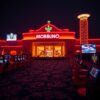
Baton Rouge Casino success is shocking. Learn how they beat the odds and became a massive market. We explore 5 amazing strategies from the Business Report.

Landlocked and loaded: How the Baton Rouge casino market beat the odds – Baton Rouge Business Report

Baton Rouge Casino Market: 7 Epic Secrets Behind Its Shocking Success
Baton Rouge Casino operations have redefined what it means to thrive in a landlocked environment. While most gambling hubs rely on coastal access, this market beat the odds.
The journey of the local gaming industry is a masterclass in resilience and strategic adaptation. It is a story of turning geographical constraints into competitive advantages.
For those looking to understand how a city without a coastline dominates the gaming scene, the answers lie in innovation and community integration.
- The Evolution of the Baton Rouge Casino Landscape
- Overcoming the Landlocked Challenge in a Baton Rouge Casino
- Economic Impact of the Baton Rouge Casino Sector
- Key Drivers of Success for a Baton Rouge Casino
- The Role of Regulation in Baton Rouge Casino Growth
- Comparing Baton Rouge Casino Trends to Global Markets
- The Future of Gaming: From Physical Baton Rouge Casino to Digital
The Evolution of the Baton Rouge Casino Landscape
The history of gaming in Louisiana is deeply tied to the river. However, the specific rise of the Baton Rouge Casino scene represents a shift in urban planning.
Initially, gaming was restricted to specific zones to ensure regulatory compliance. This created a unique environment where quality trumped quantity.
Over the years, the Baton Rouge Casino operators learned to cater to a diverse demographic. They blended luxury hospitality with high-stakes gaming.
[IMAGE_PLACEHOLDER_1]This transition allowed the city to become a hub for both locals and tourists. It transformed the city’s image from a political center to an entertainment destination.
Strategic partnerships with local businesses helped integrate gaming into the broader economy. This synergy ensured that the wealth generated stayed within the community.
As we look at the modern era, the influence of the Baton Rouge Casino model is seen across other inland cities.
The Early Days of the Baton Rouge Casino Era
The beginnings were marked by strict legislative hurdles. Early pioneers had to navigate a complex web of state laws to establish a legal Baton Rouge Casino.
These early efforts laid the groundwork for the infrastructure we see today. They proved that a landlocked city could sustain high-volume gaming traffic.
Modernization of the Baton Rouge Casino Experience
Today, the focus has shifted toward “integrated resorts.” The modern Baton Rouge Casino is no longer just about slot machines and table games.
They now feature world-class dining, spa services, and concert venues. This holistic approach increases the average spend per visitor.
Overcoming the Landlocked Challenge in a Baton Rouge Casino
Being landlocked usually means a lack of natural tourist draws compared to beach destinations. However, the Baton Rouge Casino market turned this into a strength.
By focusing on the “staycation” market, they captured a loyal local base. This reduced the reliance on seasonal tourism spikes.
The focus shifted to creating an immersive environment. A visitor entering a Baton Rouge Casino feels transported away from the urban grind.
Moreover, the proximity to major highways made the city an ideal stopover. Travelers moving through the South found the gaming scene to be an irresistible detour.
Innovative marketing campaigns highlighted the unique “Louisiana charm.” This branding distinguished the Baton Rouge Casino experience from the sterile feel of Las Vegas.
Investment in luxury transport and shuttle services also played a key role. It made the transition from the city center to the gaming floor seamless.
Economic Impact of the Baton Rouge Casino Sector
The financial ripple effects of the Baton Rouge Casino industry are profound. It isn’t just about the house winning; it’s about job creation.
Thousands of direct and indirect jobs have been created. From dealers and pit bosses to chefs and janitorial staff, the employment reach is vast.
Tax revenues from the Baton Rouge Casino sector fund critical public services. This includes infrastructure repairs and educational grants for local schools.
The hospitality sector has seen a parallel boom. Hotels and Airbnbs in the vicinity of the gaming hubs report higher occupancy rates.
Small businesses, such as local boutiques and eateries, benefit from the increased foot traffic. The Baton Rouge Casino ecosystem supports a wide variety of entrepreneurs.
For those interested in broader trends, checking out Best Online Casinos: Real Money Casino Sites for August 2026 – USA Today provides a great perspective on where the industry is heading.
The capital influx has also led to urban revitalization. Areas that were once neglected have been repurposed into high-end entertainment districts.
[IMAGE_PLACEHOLDER_2]Key Drivers of Success for a Baton Rouge Casino
Why did some ventures fail while the current Baton Rouge Casino landscape thrives? The answer lies in diversification.
Successful operators didn’t rely solely on gambling. They invested in non-gaming amenities that attracted families and corporate groups.
Customer loyalty programs were another critical driver. A Baton Rouge Casino that rewards its regulars creates a sustainable revenue stream.
Technology integration has also been a game-changer. The use of data analytics allows operators to tailor offers to individual player preferences.
The adoption of hybrid gaming models—combining physical machines with digital interfaces—has kept the experience fresh. This keeps the younger generation engaged.
Moreover, the emphasis on security and fairness has built trust. A reputable Baton Rouge Casino is one where players feel their funds are safe.
Community engagement initiatives have also softened the public perception of gambling. By sponsoring local events, the industry has built social capital.
The Role of Regulation in Baton Rouge Casino Growth
Regulation is often seen as a hindrance, but for the Baton Rouge Casino market, it provided a stable framework.
Clear guidelines from the Wikipedia page on Gaming Commissions show how structured oversight prevents fraud.
Strict licensing requirements ensured that only well-capitalized and ethical operators entered the market. This prevented the “boom and bust” cycles seen in unregulated zones.
The balance between taxation and profitability was carefully managed. The state ensured that the Baton Rouge Casino operators could still innovate while contributing to the public purse.
Responsible gaming mandates have also been integrated into the business model. This ensures the long-term sustainability of the player base.
By promoting self-exclusion programs, the Baton Rouge Casino industry has mitigated the social costs of gambling.
This regulatory maturity has made the city an attractive spot for foreign investment. Investors trust the predictability of the Louisiana gaming legal landscape.
Comparing Baton Rouge Casino Trends to Global Markets
When comparing a Baton Rouge Casino to hubs like Macau or Singapore, the scale is different, but the strategy is similar.
All these markets focus on “destination gaming.” The goal is to make the visit an event rather than a chore.
Interestingly, the shift toward digital integration is a global trend. Whether it is a physical Baton Rouge Casino or an online platform, the user experience is king.
For instance, platforms like betfury.io show how digital rewards can mirror the loyalty programs of physical resorts.
The move toward “gamification” is evident. Modern gaming floors in the Baton Rouge Casino sector now resemble high-tech arcades more than traditional card rooms.
Additionally, the rise of “boutique gaming” is a trend starting in smaller markets. A Baton Rouge Casino can offer a more intimate, personalized experience than a mega-resort.
This specialization allows local operators to dominate their niche. They understand the cultural nuances of their audience better than global corporations.
The Future of Gaming: From Physical Baton Rouge Casino to Digital
The future of the Baton Rouge Casino industry is hybrid. The line between the physical floor and the smartphone screen is blurring.
We are seeing the rise of “omnichannel” gaming. This allows a player to start a session at a Baton Rouge Casino and finish it at home.
Virtual Reality (VR) is expected to play a massive role. Imagine visiting a virtual Baton Rouge Casino from another continent to scout the tables.
[IMAGE_PLACEHOLDER_3]Artificial Intelligence will further personalize the experience. AI can predict when a player is losing interest and offer a timely incentive to stay.
Sustainability is also becoming a priority. The next generation of the Baton Rouge Casino will likely be “green,” utilizing solar power and zero-waste dining.
As digital currencies become more mainstream, the integration of crypto-payments is inevitable. This will streamline transactions and attract a tech-savvy crowd.
The ultimate goal is to create a seamless ecosystem. The Baton Rouge Casino of 2030 will be a tech hub as much as it is a gambling house.
Despite the digital shift, the physical allure of the “big win” in a crowded room will never fully disappear. The human element remains the core of the industry.
This blend of high-tech and high-touch is what will keep the market thriving. The resilience shown in the past is a blueprint for future success.
Conclusion
Baton Rouge Casino operations have proven that geography is not destiny. By innovating and diversifying, the city has created a powerhouse of entertainment.
From overcoming landlocked limitations to driving massive economic growth, the market has beat every odd. It serves as a model for inland urban development.
Whether you are a visitor seeking thrills or an investor looking at the data, the success of the gaming sector here is undeniable.
The transition from traditional halls to integrated, tech-driven resorts ensures that the industry will remain relevant for decades.
As we move toward a hybrid future, the spirit of the Louisiana gaming scene continues to evolve. The resilience of the local market is its greatest asset.
Ultimately, the story of the gaming industry in this city is one of ambition and strategic brilliance. It is truly a win for the community and the economy alike.
Read More
Posts not found
Sorry, no other posts related this article.






Recent News




Recent Gambling News