Ghost-Town Casinos — Ghost-town casinos get stunning rescue after family finds last-minute buyer -…. Read the full guide on SpinBebet with expert insights,…

Ghost-town casinos get stunning rescue after family finds last-minute buyer – Fox News

Ghost-Town Casinos: 7 Shocking Secrets About the Great Rescue of Forgotten Gaming Hubs
Ghost-Town Casinos are often seen as monuments to lost fortunes and forgotten eras of gambling glory. When a once-thriving resort falls into silence, it usually marks the end of a legacy.
However, a recent story highlighted by Fox News has flipped the script on these decaying landmarks. A family’s desperate search for a buyer has breathed new life into properties that many had written off as lost causes.
Table of Contents
The Rise and Fall of Ghost-Town Casinos
Ghost-Town Casinos represent a fascinating intersection of economic volatility and architectural ambition. These venues were often built on the promise of a boomtown that never quite materialized.
In the early days of Western expansion, gaming halls were the heartbeat of mining towns. When the gold ran out, the people left, leaving behind eerie, empty slots and roulette wheels.
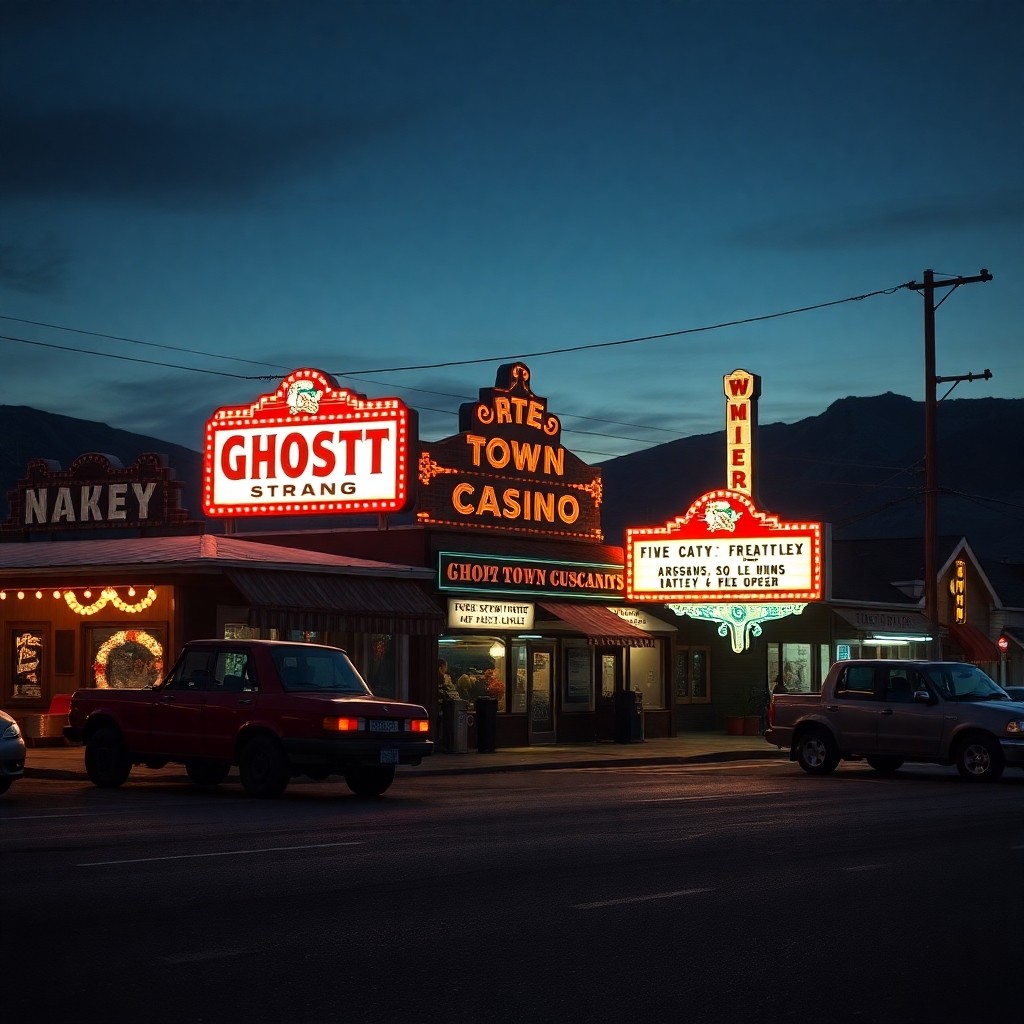
Today, the term often refers to larger resorts in remote areas that lost their competitive edge. The shift in traveler behavior has made these isolated hubs vulnerable to bankruptcy.
Maintaining a massive facility requires a constant stream of visitors. Without them, the luxury carpets fade, and the neon lights flicker out forever.
Understanding the cycle of these properties helps us appreciate the rarity of a successful rescue operation. Most of these sites simply crumble into the desert sand.
Why Ghost-Town Casinos Become Abandoned
There are several key reasons why Ghost-Town Casinos slide into obsolescence. The primary driver is usually a change in regional demographics or traffic patterns.
When a new highway bypasses a town, the “stop-over” revenue vanishes instantly. This creates a death spiral for hotels and gaming floors that rely on transient guests.
Furthermore, the rise of integrated resorts in major cities like Las Vegas shifted the demand. Players preferred the convenience of a city center over a remote road trip.
Operating costs also play a massive role in the downfall of Ghost-Town Casinos. Energy bills for massive air-conditioned halls can bankrupt a failing business in months.
Debt loads often become unsustainable when occupancy rates drop below a critical threshold. Once the lenders step in, the doors usually close for good.
For more insight into the financial struggles of historic properties, you can read about the Primm family signs agreement with Terrible’s to keep casinos, businesses open – FOX5 Vegas.
The Impact of Urban Decay on Ghost-Town Casinos
Urban decay doesn’t just affect the building; it affects the surrounding ecosystem. When the main casino closes, the local diners and gas stations follow suit.
This creates a true “ghost town” effect where the infrastructure disappears. This makes it even harder for new buyers to justify a renovation.
Regulatory Hurdles for Ghost-Town Casinos
Gaming licenses are notoriously difficult to maintain and transfer. Many Ghost-Town Casinos fail because the owners cannot navigate the legal red tape during a crisis.
Updating old facilities to meet modern safety and gaming codes is often prohibitively expensive. This is why many owners choose to walk away rather than rebuild.
The Miraculous Rescue of the Primm Legacy
The recent news regarding the rescue of specific Ghost-Town Casinos has sent shockwaves through the industry. A family, clinging to the hope of saving their heritage, found a last-minute buyer.
This rescue is not just about money; it is about preserving a piece of history. The buyer saw value where others saw only ruins and dust.
The strategy involved a complete rebranding of the guest experience. By integrating modern amenities into a vintage shell, they created a “retro-chic” appeal.
This approach proves that Ghost-Town Casinos can be viable if they lean into their history rather than fighting it. Nostalgia is a powerful marketing tool in 2026.
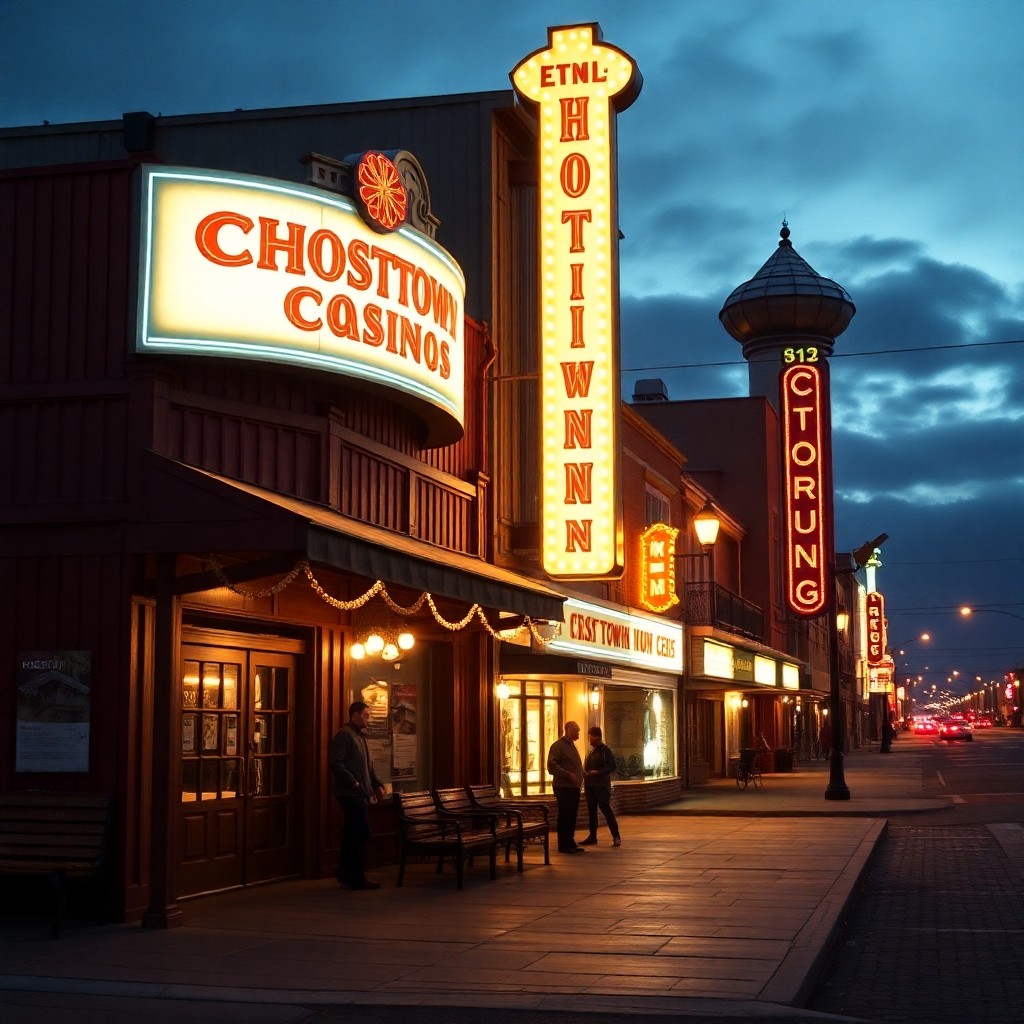
The agreement ensures that employees keep their jobs and the local economy receives a much-needed boost. It is a rare win-win scenario in the world of commercial real estate.
Many of these properties were on the brink of being demolished. The intervention of a visionary buyer changed the trajectory of an entire community.
To understand the broader context of casino news and volatility, you might explore the Goldzino platform for modern gaming trends.
Investing in Ghost-Town Casinos: A Risky Bet
Investing in Ghost-Town Casinos is akin to gambling on the highest stakes table. The risk of total loss is high, but the potential for a “turnaround” profit is enormous.
Investors typically look for “undervalued assets” with strong bones. If the building structure is sound, the cost of renovation is lower than building from scratch.
However, the “ghost” aspect remains a psychological barrier for many guests. Overcoming the perception of a “dying” venue requires massive marketing spend.
Successful investors often implement a phased reopening. They start with a small, high-impact area to generate buzz before opening the entire facility.
Diversification is also key. By adding non-gaming attractions like museums or luxury spas, they reduce the reliance on slot machine revenue alone.
You can learn more about the legalities of property ownership and zoning via Wikipedia.
The Psychology Behind Ghost-Town Casinos
There is a morbid fascination with Ghost-Town Casinos that drives “dark tourism.” People are drawn to the silence of a place that once echoed with screams of joy and loss.
This fascination can actually be monetized. Some owners have turned their failing properties into “experience museums” where guests pay to see the decay.
The contrast between the glittering gold leaf and the peeling paint creates a powerful visual narrative. It reminds us that no empire lasts forever.
For the owners, Ghost-Town Casinos often represent a family legacy. The emotional attachment makes them hold on longer than a corporate entity would.
This emotional bond is often what leads to the “last-minute rescue” scenarios we see in the news. The desire to save the family name outweighs the financial logic.
When a buyer arrives, they aren’t just buying land; they are buying a story. In the modern economy, the story is often more valuable than the brick and mortar.
Comparing Old Ruins to Modern Digital Gaming
While Ghost-Town Casinos fade away, the world of digital gaming is exploding. The transition from physical resorts to online platforms is a major trend.
Online casinos don’t suffer from “ghost town” syndrome because they have no physical footprint. They can reach millions of players regardless of geographic location.
However, the tactile experience of a physical casino—the sound of coins, the smell of the carpet—cannot be replicated digitally. This is why some physical venues still survive.
The rescue of Ghost-Town Casinos often involves integrating digital technology. Smart slots and app-based loyalty programs are now standard in renovated sites.
This hybrid model allows a physical location to capture both the “experience seeker” and the “convenience gambler.” It is the only way to ensure long-term survival.
Modern players are looking for the same thrills that the original patrons of Ghost-Town Casinos sought, just in a different format.
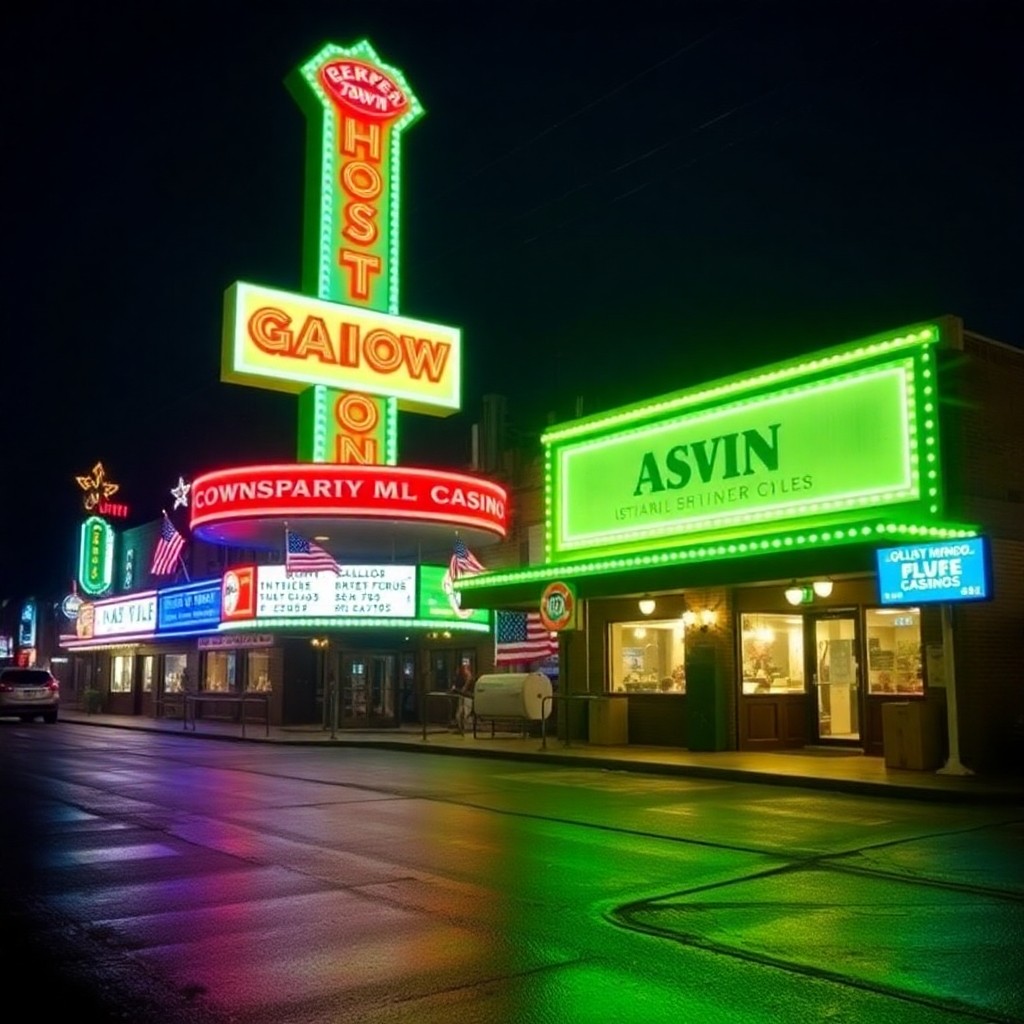
The evolution of the industry is rapid. From the dusty halls of the Old West to the high-speed servers of today, the drive to bet remains constant.
For further information on government regulations regarding gaming and commerce, visit USA.gov.
The Future of Ghost-Town Casinos in 2026
Looking ahead, Ghost-Town Casinos will likely become niche luxury destinations. The “exclusive” and “remote” nature of these sites is becoming a selling point.
We are seeing a trend toward “destination gaming,” where the journey to the casino is as important as the gambling itself. Remote sites are perfectly positioned for this.
Sustainability will also play a role. Converting old Ghost-Town Casinos into eco-friendly resorts can attract a younger, more conscious generation of travelers.
The use of AI to optimize guest flows and energy use will make these massive buildings cheaper to run. Technology is solving the problems that caused the original closures.
We can expect more “rescue” stories as investors realize the value of authentic, historic architecture. A new build can’t mimic the soul of a century-old casino.
As we move further into 2026, the line between a “ruin” and a “vintage treasure” will continue to blur. The right vision can turn a ghost town into a gold mine.
The key is to balance the preservation of the past with the demands of the future. Those who master this balance will dominate the market.
Conclusion
Ghost-Town Casinos serve as a powerful reminder of the volatility of the gambling industry. From the ruins of the past to the stunning rescues of today, these sites tell a story of resilience.
The ability of a family to find a last-minute buyer proves that there is always hope for a turnaround. Whether through nostalgia or innovation, these properties can rise again.
As the gaming landscape evolves, the lesson remains clear: adaptability is the only way to survive. Those who can pivot from the old ways to new trends will thrive.
Ultimately, the rescue of these landmarks is a victory for history and community. We look forward to seeing more of these forgotten gems return to their former glory in 2026.
Recommended Casinos
Read More








Recent News




Recent Gambling News