NYC Casino Tax has top Democrats urging Governor Hochul to step in. This staggering 72% rate could threaten New York’s first full casino before it even opens.

Dems push Hochul to block staggering 72% tax rate slapped on NYC’s first full casino – New York Post

NYC Casino Tax: 7 Shocking Details About the New York Gaming Battle
NYC Casino Tax regulations are currently at the center of a fierce political storm as New York City prepares for its first full-scale casino. Democratic lawmakers are now urging Governor Kathy Hochul to intervene and block a tax rate that some describe as staggering.
The proposed 72% tax rate has sent shockwaves through the gaming industry, raising questions about the viability of land-based casinos in the city. This unprecedented financial burden could reshape how gambling is managed in the Empire State.
- Understanding the NYC Casino Tax Controversy
- Why the NYC Casino Tax is Considered Staggering
- Political Pressure on Governor Hochul
- The Economic Impact of the NYC Casino Tax
- How NYC Casino Tax Affects Player Experience
- Comparing the NYC Casino Tax to Other States
- Future Outlook for Gaming in New York
- Conclusion
Understanding the NYC Casino Tax Controversy
The debate surrounding the NYC Casino Tax began when details emerged regarding the fiscal expectations for the city’s first integrated resort. The city seeks to maximize revenue, but the proposed percentage is historically high.
Critics argue that such a heavy tax burden will stifle investment. If operators cannot turn a profit, the quality of the facility will inevitably suffer.
Many industry experts believe that the NYC Casino Tax is being used as a tool for budget balancing rather than a sustainable growth strategy. This has led to a standoff between developers and state officials.
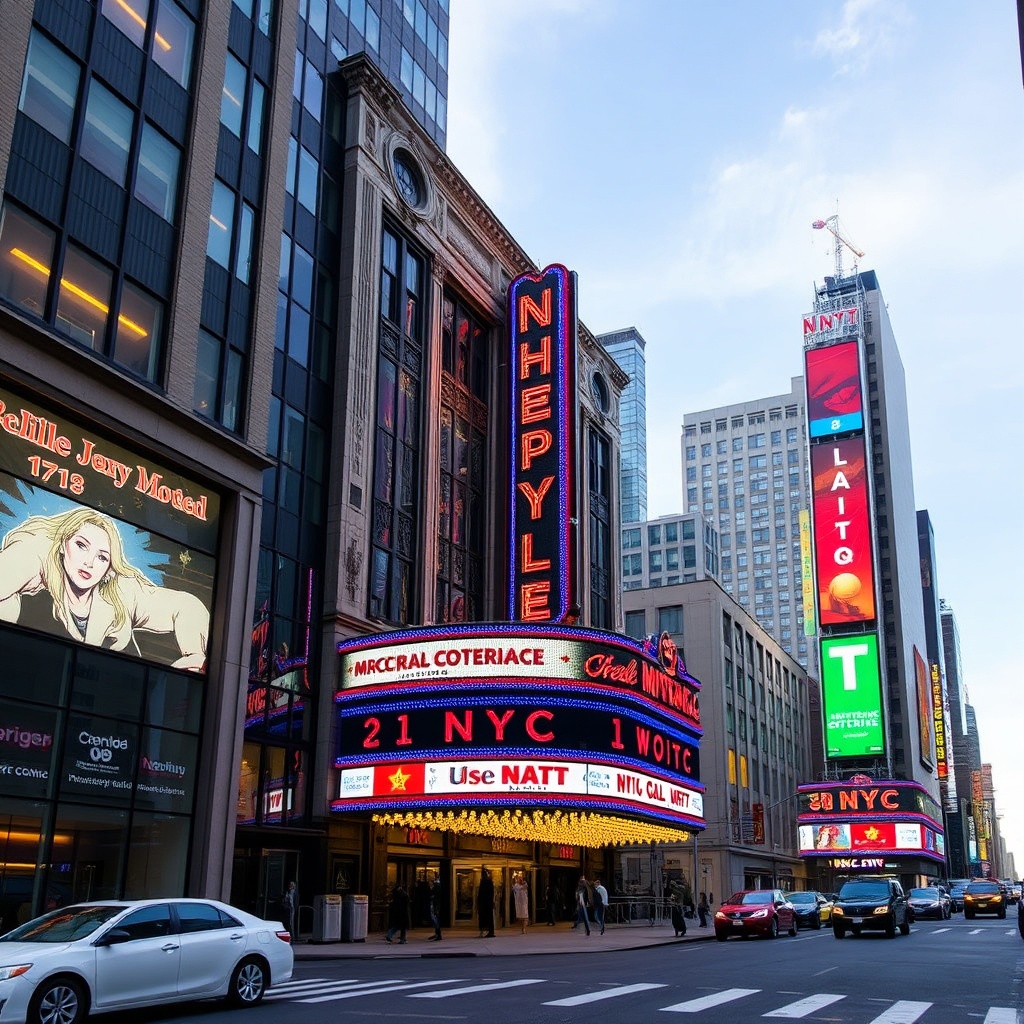
The Origins of the NYC Casino Tax Proposal
The push for a high NYC Casino Tax stems from the city’s desire to fund public infrastructure and social programs. New York City has long coveted the revenue streams seen in Las Vegas or Atlantic City.
However, the specific 72% figure is seen by many as a “poison pill.” It makes the financial model for any new casino nearly impossible to sustain long-term.
Legal Challenges to the NYC Casino Tax
Legal teams representing potential bidders are analyzing whether the NYC Casino Tax violates existing state gaming agreements. They argue that the tax is discriminatory compared to upstate casinos.
If the court finds the tax excessive, the state may be forced to renegotiate the terms. This legal battle is expected to drag on for months.
Why the NYC Casino Tax is Considered Staggering
To put it simply, a 72% NYC Casino Tax means that for every dollar earned in gaming revenue, nearly three-quarters go straight to the government.
This leaves very little for operational costs, employee salaries, and facility maintenance. It is a rate rarely seen in any developed gaming market globally.
When comparing this to the Oxford Casino sale and other industry shifts, it becomes clear that investors prefer stable and predictable tax environments.
The staggering nature of the NYC Casino Tax makes New York City a risky bet for global casino giants like MGM or Wynn.
Political Pressure on Governor Hochul
Democratic members of the state legislature are now pushing Governor Kathy Hochul to step in. They fear that the NYC Casino Tax will kill the project before it even breaks ground.
Lawmakers argue that the economic benefits of job creation outweigh the immediate gain of a high tax rate. They want a more balanced approach to ensure the casino’s longevity.
Governor Hochul is in a difficult position, balancing the needs of the city budget with the necessity of economic development. The NYC Casino Tax has become a litmus test for her administration’s approach to business.
Supporters of the tax argue that the city’s high cost of living justifies a higher take. However, the consensus among economists is that 72% is simply too high.
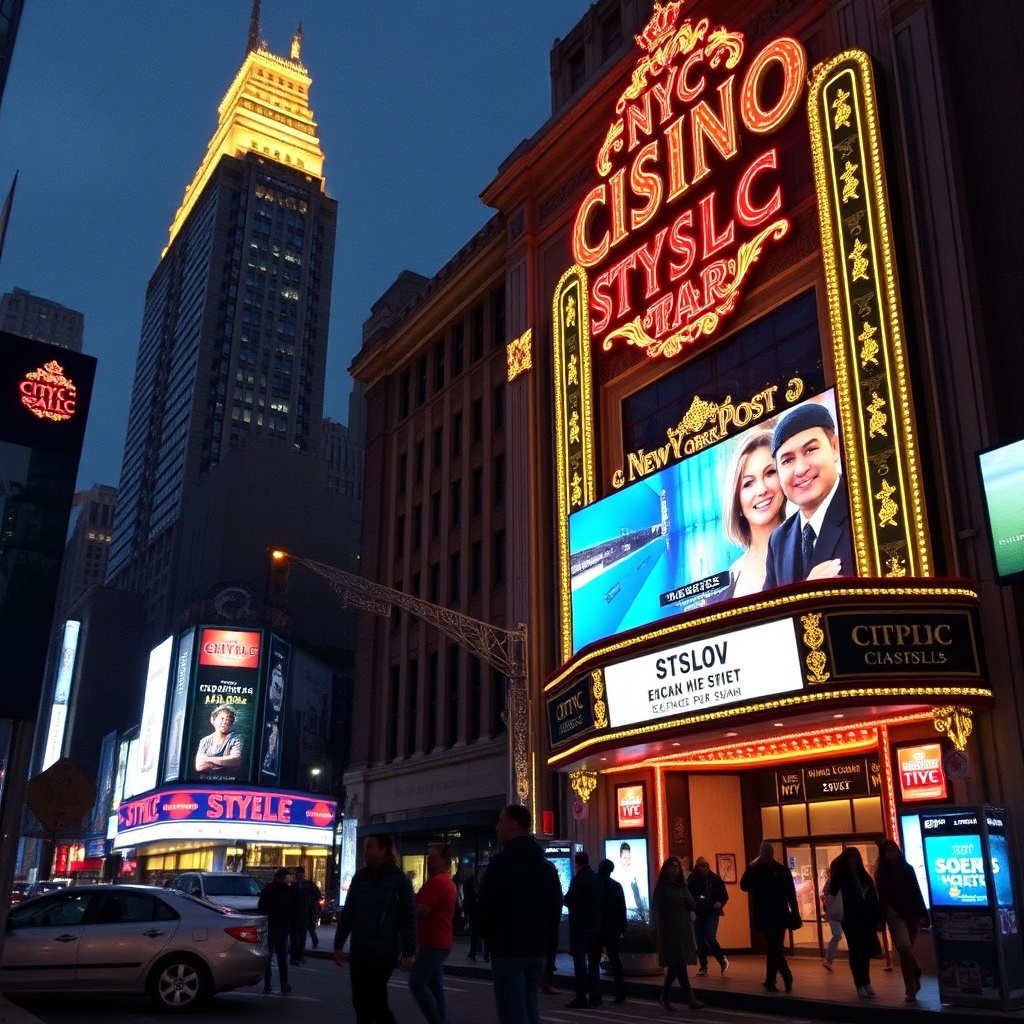
The Economic Impact of the NYC Casino Tax
The primary concern regarding the NYC Casino Tax is the “trickle-down” effect on employment. A taxed-out operator cannot afford to hire thousands of local workers at competitive wages.
Furthermore, the luxury amenities usually associated with casinos—such as high-end hotels and theaters—may be scaled back. The NYC Casino Tax could result in a “budget” casino rather than a world-class destination.
If the project fails, the city loses out on billions in projected tourism spending. This paradox makes the current NYC Casino Tax strategy seem counterproductive.
Investors are looking at other markets where the tax burden is more reasonable. For those seeking high-value gaming experiences, options like betfury.io provide a glimpse into the efficiency of digital gaming models.
How NYC Casino Tax Affects Player Experience
Players may wonder how the NYC Casino Tax impacts their actual gambling experience. While the tax is levied on the operator, the costs are often passed down to the customer.
This could manifest as higher minimum bets or less generous loyalty rewards. The NYC Casino Tax essentially reduces the “player return” in an indirect way.
When operators are squeezed by the government, they cut costs in customer service and facility luxury. A high NYC Casino Tax leads to a diminished atmosphere for the guest.
In contrast, online platforms are often able to offer better bonuses because they don’t face the same physical overhead and localized taxes as a land-based NYC venue.
Comparing the NYC Casino Tax to Other States
When we look at Wikipedia’s data on casinos, we see that most US states employ a much lower tax rate. Nevada and New Jersey offer more sustainable models.
The NYC Casino Tax is an outlier that defies standard gaming economics. Most states aim for a rate that encourages growth while still contributing to the public purse.
Pennsylvania and Maryland have found a “sweet spot” that keeps operators happy and coffers full. The NYC Casino Tax, however, seems to prioritize short-term windfalls over long-term stability.
If New York continues with this path, it may find itself as a cautionary tale for other cities attempting to legalize gambling.
Future Outlook for Gaming in New York
The future of the NYC Casino Tax depends heavily on the next few months of political negotiation. If the rate is lowered, we could see a surge of investment.
However, if the 72% rate stands, the “first full casino” in NYC might remain a blueprint rather than a building. The NYC Casino Tax is currently the single biggest hurdle to progress.
There is also the possibility that the state moves toward more digital integration. As seen in official New York state portals, there is a constant push for modernization in governance.
Whether through a compromise on the NYC Casino Tax or a shift toward online gaming, the landscape is bound to change.
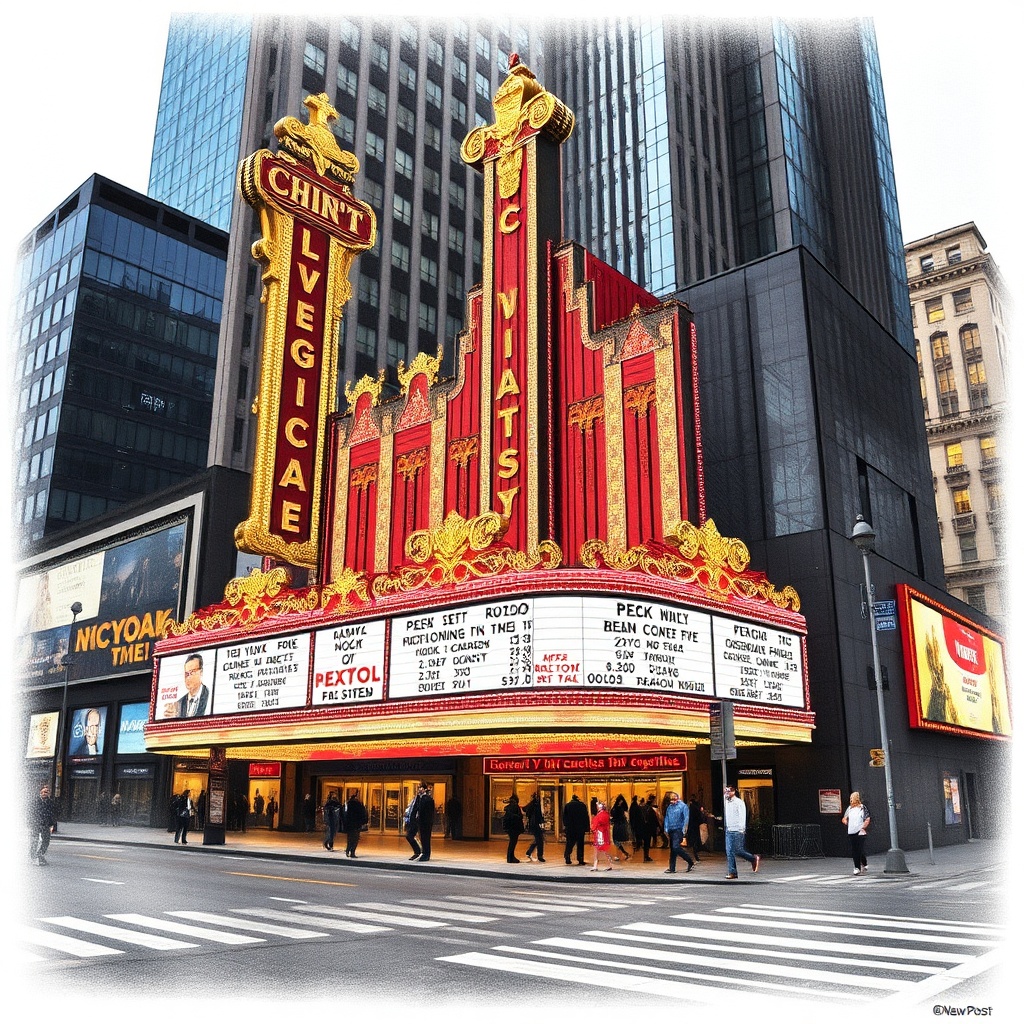
Industry analysts suggest that a rate between 25% and 35% would be more attractive. This would allow the NYC Casino Tax to generate billions without bankrupting the operator.
The battle over the NYC Casino Tax is not just about money; it is about the vision for New York City’s entertainment district.
Will it be a hub of luxury and excitement, or a government-managed utility? The answer lies in the resolution of the NYC Casino Tax dispute.
Many are watching closely to see if Governor Hochul will listen to the Democratic push for a tax break. The NYC Casino Tax remains the focal point of every gaming boardroom in the country.
As the debate continues, the gaming community remains hopeful for a resolution that benefits both the city and the players. The NYC Casino Tax must be sustainable to be successful.
Ultimately, the NYC Casino Tax will determine if New York City can truly compete with the likes of Las Vegas on a global stage.
Conclusion
The NYC Casino Tax controversy highlights the delicate balance between government revenue and private enterprise. A 72% tax rate is simply too steep for any reasonable operator to accept without significant concessions.
If New York wants a world-class casino, it must implement a NYC Casino Tax that encourages growth rather than punishing success. The political pressure on Governor Hochul is a sign that many recognize this danger.
We will continue to monitor the developments of the NYC Casino Tax as the city moves closer to its gaming debut. For now, the industry holds its breath, hoping for a more pragmatic approach to taxation.
Recommended Casinos
Read More








Recent News




Recent Gambling News