Tri-State Casino Sunk – explore 7 shocking secrets about this famous riverboat, its history, and its transition from a gaming hub to an underwater marvel.

Former Tri-State riverboat casino to be sunk – WKRC

Tri-State Casino Sunk: 7 Shocking Details About the Riverboat’s Fate
Tri-State Casino sunk narratives have captured the attention of gaming enthusiasts and local historians alike. The decision to decommission the former riverboat casino marks the end of an era for the region’s gambling landscape.
This transition from a floating palace of luck to a sunken relic tells a larger story about the evolution of the casino industry.
As we explore the details of the Tri-State Casino sunk event, we also look toward the future of online gaming alternatives.
- The History of the Tri-State Casino Sunk Event
- Why the Tri-State Casino Sunk: Technical and Economic Factors
- The Environmental Impact of the Tri-State Casino Sunk Process
- Comparing Riverboats to Modern Online Alternatives
- Legal Implications of the Tri-State Casino Sunk Project
- Lessons Learned from the Tri-State Casino Sunk Incident
- The Shift Toward Digital Gambling Platforms
The History of the Tri-State Casino Sunk Event
The story of the Tri-State Casino sunk operation begins with the rise of riverboat gambling in the United States. For years, these vessels served as the primary hub for gaming in the Tri-State area.
The vessel provided thousands of jobs and generated millions in tax revenue for the local government.
However, as land-based casinos became legal and more accessible, the novelty of the riverboat began to fade.
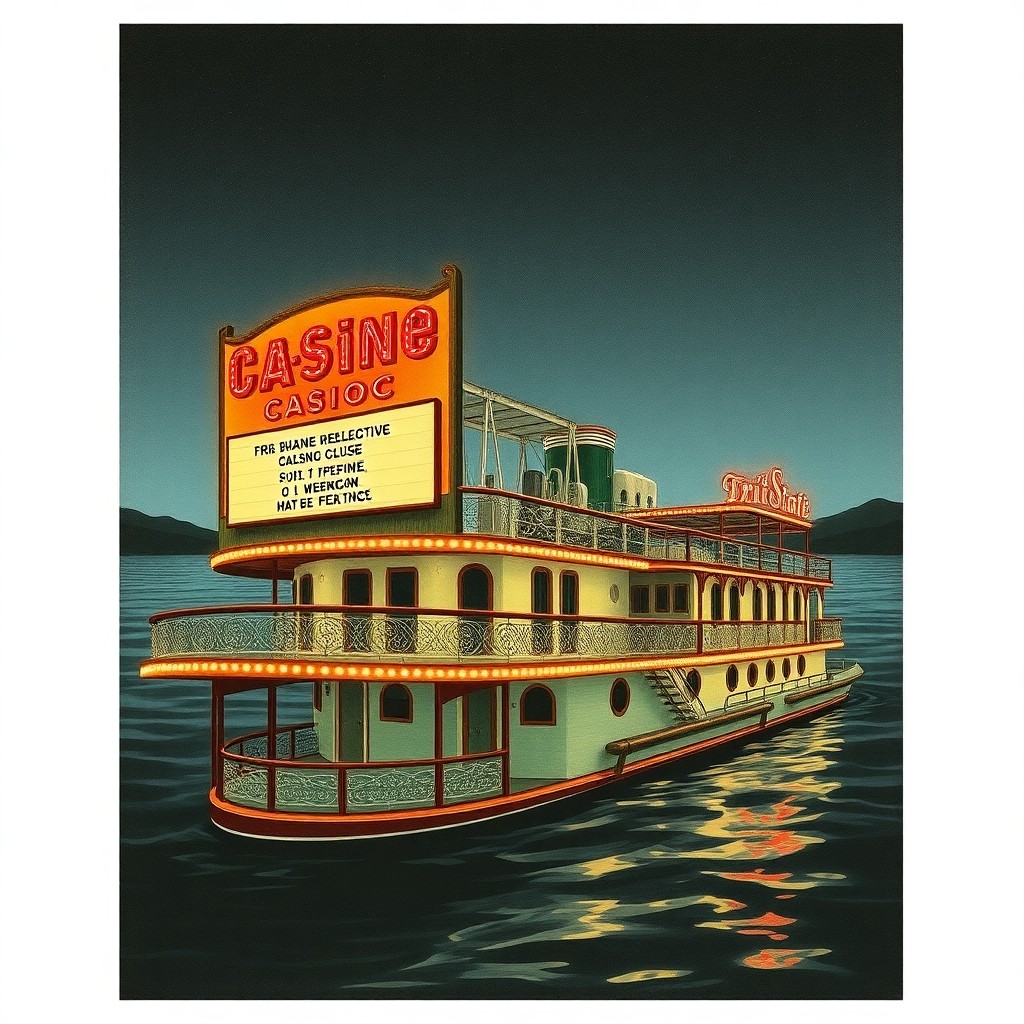
[IMAGE_PLACEHOLDER_1]When the decision was made that the Tri-State Casino sunk process was necessary, it sparked a wave of nostalgia.
Many locals remembered the excitement of boarding the boat for a night of high-stakes poker and slot machines.
The vessel was more than just a building on water; it was a cultural landmark for decades.
The process of ensuring the Tri-State Casino sunk safely required extensive planning by naval architects and environmentalists.
They had to ensure that no hazardous materials remained on board before the vessel met its final destination.
This meticulous cleaning phase was essential to prevent pollution in the surrounding waters.
The Initial Planning for Tri-State Casino Sunk
The early stages of the Tri-State Casino sunk plan involved assessing the structural integrity of the hull.
Engineers needed to know exactly where the breaches should be made to ensure a controlled descent.
An uncontrolled sink could have resulted in debris scattering across the riverbed.
Community Reaction to Tri-State Casino Sunk
Not everyone was happy to see the Tri-State Casino sunk into the depths.
Some community members argued that the boat should have been preserved as a museum or a floating hotel.
Despite these pleas, the cost of maintenance made preservation an impossible dream for the owners.
Why the Tri-State Casino Sunk: Technical and Economic Factors
The primary reason the Tri-State Casino sunk was the shift in consumer behavior toward land-based and online facilities.
Riverboats are expensive to maintain, requiring constant hull inspections and engine repairs.
When the cost of upkeep exceeded the revenue generated, the business model became unsustainable.
Furthermore, the Tri-State Casino sunk because of outdated infrastructure that could not support modern gaming technology.
Installing high-speed fiber optics and modern security systems on an old riverboat is a logistical nightmare.
The owners realized that rather than renovating, it was more cost-effective to let the Tri-State Casino sunk.
Economically, the insurance premiums for floating casinos have skyrocketed over the last decade.
This financial pressure pushed many operators to move their chips to the shore.
The Tri-State Casino sunk as a direct result of these intersecting economic pressures.
Additionally, regulatory changes in the Tri-State region made it easier for land-based casinos to compete.
Once the monopoly of the riverboats ended, the “float” lost its competitive edge.
This led to the inevitable conclusion where the Tri-State Casino sunk into history.
The Environmental Impact of the Tri-State Casino Sunk Process
Whenever a large vessel is disposed of, the environmental impact is a primary concern.
Before the Tri-State Casino sunk, crews had to strip the vessel of all oils, fuels, and asbestos.
Failure to do so would have resulted in a long-term ecological disaster for the river ecosystem.
The authorities utilized guidelines from EPA to ensure the process met federal standards.
The goal was to turn the Tri-State Casino sunk site into an artificial reef for local fish populations.
Artificial reefs can stimulate biodiversity by providing shelter for small crustaceans and fish.
By carefully managing how the Tri-State Casino sunk, the project transformed a liability into an ecological asset.
Marine biologists monitored the site for months after the Tri-State Casino sunk to track changes in wildlife.
Early reports suggest that several species of bass and catfish have already taken up residence in the hull.
This success story shows that even the Tri-State Casino sunk event can have a positive outcome.
However, critics argue that introducing man-made structures into natural waterways is always a risk.
They worry about the long-term degradation of the metal and the chemicals it might release.
Nevertheless, the regulated manner in which the Tri-State Casino sunk minimized these risks significantly.
Comparing Riverboats to Modern Online Alternatives
While the Tri-State Casino sunk physically, the spirit of gambling has moved into the digital realm.
Online casinos offer a level of convenience that a riverboat could never match.
Players no longer need to travel to a dock or wait for a boat to depart to enjoy their favorite games.
If you are looking for a modern experience, you might explore options like 5bet for a variety of games.
The transition from the Tri-State Casino sunk era to the digital era is characterized by accessibility.
Modern platforms provide instant payouts, live dealers, and a massive variety of slot games.
Compare this to the limited space of a riverboat, where slot machine variety was restricted by square footage.
The Tri-State Casino sunk because it couldn’t compete with the scalability of the internet.
A digital casino can host millions of players simultaneously, whereas a boat can only hold a few hundred.
Furthermore, the bonuses offered by online sites are far more lucrative than the “free play” coupons of the past.
For those interested in the latest trends, betfury.io offers an innovative approach to modern wagering.
The legacy of the Tri-State Casino sunk reminds us that the industry is always evolving.
What was once the pinnacle of luxury is now a home for fish, while smartphones are the new casinos.
Legal Implications of the Tri-State Casino Sunk Project
The legal framework surrounding the Tri-State Casino sunk operation was incredibly complex.
Since the vessel operated in a specific jurisdictional zone, multiple state and federal laws applied.
The owners had to secure permits from the Coast Guard and the Army Corps of Engineers.
These permits ensured that the Tri-State Casino sunk in a location that would not obstruct navigation channels.
If the boat had sunk in a shipping lane, the legal penalties would have been catastrophic.
Lawyers spent months drafting the indemnity agreements before the Tri-State Casino sunk.
These agreements protected the city from future liability if the wreckage caused damage to other vessels.
Detailed records of the Tri-State Casino sunk process were kept to prove compliance with maritime law.
You can find more information on maritime regulations at Wikipedia under the Maritime Law section.
The project also required a public hearing where citizens could voice their concerns about the Tri-State Casino sunk plan.
This transparency was necessary to avoid lawsuits from environmental groups.
Ultimately, the legal clearance was granted, and the Tri-State Casino sunk as scheduled.
This case serves as a blueprint for other riverboat casinos facing a similar fate across the country.
Lessons Learned from the Tri-State Casino Sunk Incident
The Tri-State Casino sunk event teaches us about the volatility of the entertainment industry.
No business, regardless of its size or history, is immune to technological disruption.
The operators of the boat failed to pivot their business model toward the digital trend early enough.
Had they integrated an online platform, the Tri-State Casino sunk event might have been avoided.
Another lesson is the importance of sustainable decommissioning.
The way the Tri-State Casino sunk proves that industrial waste can be repurposed for environmental gain.
By treating the vessel as a reef rather than trash, the company improved its public image.
Corporate social responsibility played a huge role in how the Tri-State Casino sunk project was perceived.
Instead of a story of failure, it became a story of ecological renewal.
Additionally, the incident highlights the need for flexible zoning laws in gaming districts.
When the Tri-State Casino sunk, it left a void in the local economy that took years to fill.
Cities must plan for the lifecycle of these attractions to ensure economic stability.
The Tri-State Casino sunk not just because of money, but because of a failure to adapt to the 21st century.
The Shift Toward Digital Gambling Platforms
As the Tri-State Casino sunk, the world witnessed a massive migration to mobile gaming.
The psychological thrill of the riverboat—the wind in your hair and the sound of the river—has been replaced by haptic feedback and 4K graphics.
While the physical experience is gone, the mathematical excitement remains the same.
The Tri-State Casino sunk as a symbol of the physical era of gambling.
Now, blockchain technology and cryptocurrency are redefining how we bet.
These technologies provide transparency and security that were unthinkable when the riverboats were in their prime.
The speed of transactions in online casinos makes the slow process of cashing out at a riverboat cage seem prehistoric.
When the Tri-State Casino sunk, it signaled a permanent shift in the “where” and “how” of gaming.
We no longer go to the casino; the casino comes to us through our devices.
This democratization of gambling means that anyone with an internet connection can experience the rush of the high-roller table.
The Tri-State Casino sunk, but the industry has never been more profitable.
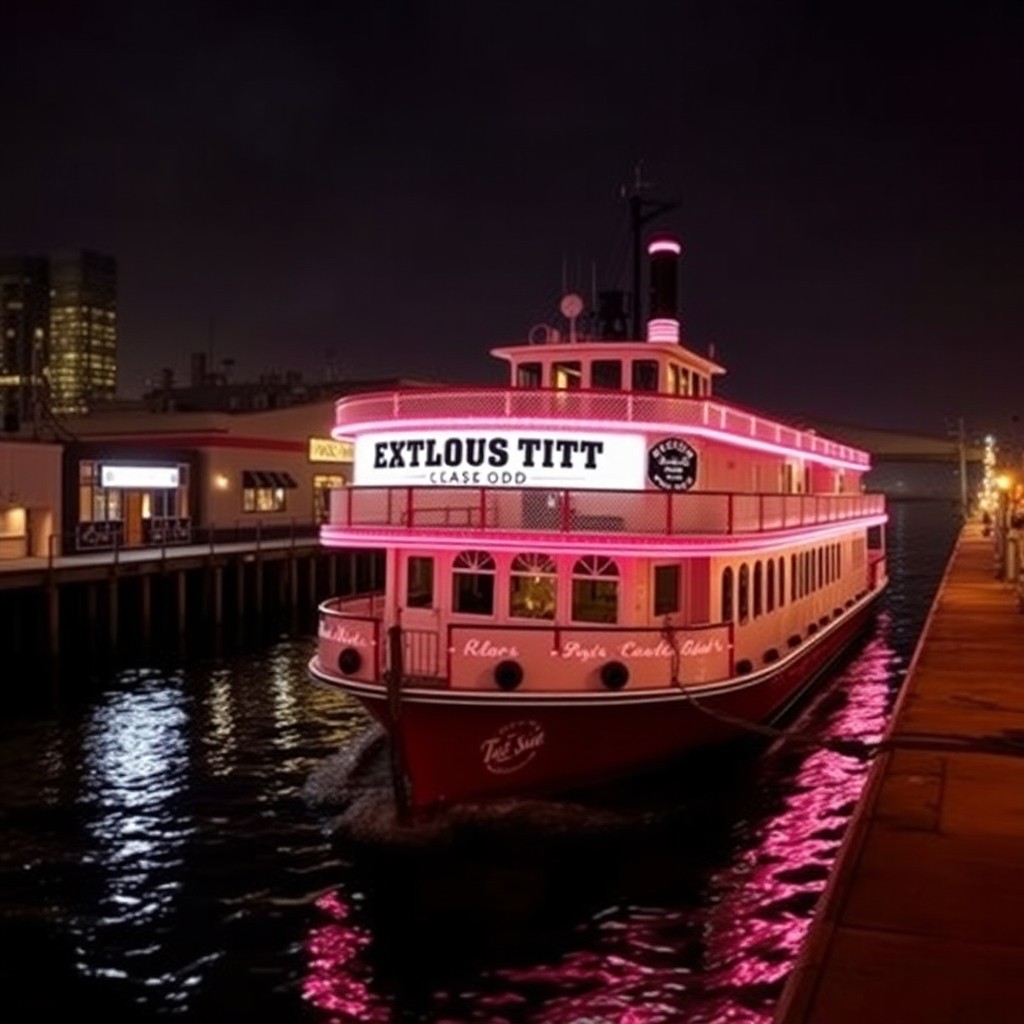
The legacy of the riverboats will live on in stories and history books, but the future is binary.
The Tri-State Casino sunk, paving the way for a new age of virtual entertainment.
As we look back at the riverboats, we can appreciate the glamour they once brought to the waterfront.
However, the efficiency of the digital age is an irresistible force that eventually ensured the Tri-State Casino sunk.
The cycle of innovation continues, and today’s online platforms may one day be replaced by something even more immersive, like VR casinos.
But for now, the Tri-State Casino sunk serves as a reminder that change is the only constant in the world of gaming.
Conclusion
Tri-State Casino sunk as a poignant conclusion to a storied chapter of riverboat gaming in the region.
From its days as a beacon of luxury to its final descent as an artificial reef, the vessel’s journey was remarkable.
The process of ensuring the Tri-State Casino sunk safely shows how industry and ecology can occasionally work hand-in-hand.
While we may miss the sight of the boat on the horizon, the rise of online alternatives provides a more accessible and diverse gaming experience.
The Tri-State Casino sunk not as a failure, but as a natural progression of a changing world.
As we embrace the future of online casinos, we keep the memories of the riverboats alive.
The Tri-State Casino sunk, but the thrill of the game continues to evolve, ensuring that the excitement never truly disappears.
Recommended Casinos
Read More








Recent News




Recent Gambling News