Washington casino closures — 8 Washington casinos set to close, putting 850 people out of work – MyNorthwe…. Read the full guide on SpinBebet with expert i…

8 Washington casinos set to close, putting 850 people out of work – MyNorthwest.com

Washington casino closures: 8 Shocking Updates That Impact 850 Workers
- The Reality of Washington Casino Closures
- Why Washington Casino Closures are Happening Now
- Economic Impact on Local Communities
- Understanding the Scale of Washington Casino Closures
- The Future of Tribal Gaming in the Northwest
- How Washington Casino Closures Affect Jobs
- Looking for Alternatives in a Changing Market
- Conclusion
Washington casino closures are sending shockwaves through the Pacific Northwest gaming industry this year.
Recent reports from MyNorthwest.com indicate a devastating trend for local workers and tribal economies.
Eight different gaming establishments are slated to shut their doors permanently.
This decision is expected to leave approximately 850 people without employment.
For many families, these Washington casino closures represent more than just a business shift.
They represent a loss of stability in a region that relies heavily on gaming revenue.
As we analyze these Washington casino closures, we must look at the underlying economic factors.
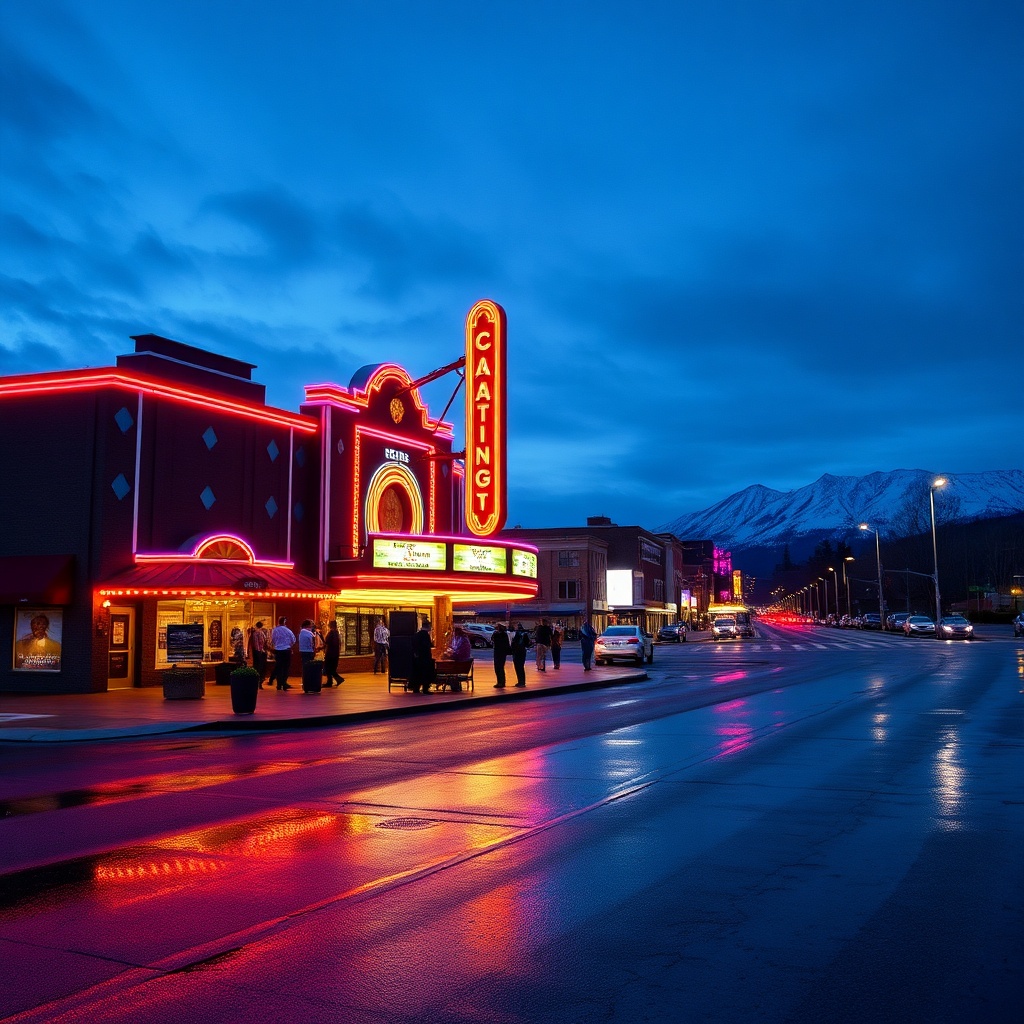
The Reality of Washington Casino Closures
The landscape of gambling in the state is undergoing a massive transformation.
Washington casino closures have become a primary topic of discussion among local lawmakers and tribal leaders.
The news that eight venues are closing simultaneously is unprecedented for the region.
Each closure represents a significant loss of tax revenue for local municipalities.
When we discuss Washington casino closures, we are discussing the livelihoods of hundreds of families.
The suddenness of these announcements has left many employees feeling vulnerable and uncertain.
To understand the broader context, one must look at how Tribal casino payments plunge, creating funding problem for MEDC – Crain’s Detroit Business affects similar markets.
The shift in consumer behavior is a major driver behind these recent events.
Many players are moving away from physical locations toward digital platforms.
This migration is a core reason why Washington casino closures are becoming more frequent.
If you are looking for a way to stay entertained while these changes occur, you might explore BetRepublic for a digital alternative.
Why Washington Casino Closures are Happening Now
Several factors contribute to the current wave of Washington casino closures.
First, the rising cost of operation is making it difficult for smaller venues to remain profitable.
Maintenance, labor, and security costs have all skyrocketed in recent months.
Second, the competition from online gaming has reached an all-time high.
As more people gamble from their homes, physical casinos face dwindling foot traffic.
This trend is a primary catalyst for the ongoing Washington casino closures.
Third, changes in tribal gaming compacts can lead to unexpected financial strain.
When revenue expectations aren’t met, closures become an inevitability rather than a possibility.
It is essential to monitor how Tribal gaming laws evolve in response to these crises.
The intersection of law and economics is creating a perfect storm.
Without new revenue streams, the Washington casino closures will likely continue into 2026.
The Economic Impact of Washington Casino Closures
The economic ripple effect of Washington casino closures is massive and wide-reaching.
It is not just the 850 workers who are losing their jobs directly.
Local restaurants, gas stations, and hotels also see a decline in business.
When a casino closes, the entire local ecosystem suffers a downturn.
This is a classic example of how Washington casino closures can destabilize a small town.
Government agencies are now scrambling to find ways to mitigate this loss.
The loss of tax revenue means fewer funds for local schools and infrastructure.
If you want to stay updated on industry trends, check out MGM CEO leaves door open to People Inc. bid as casino dealmaking heats up – CNBC.

Understanding the Scale of Washington Casino Closures
When looking at the data, the scale of these Washington casino closures is staggering.
Eight casinos might sound like a small number in a large state.
However, in the context of tribal gaming, this represents a significant percentage of the market.
The sudden loss of 850 jobs is a major blow to the state’s employment statistics.
Washington casino closures are often concentrated in rural areas where jobs are scarce.
In these towns, the casino might be the largest employer in the vicinity.
The closure of such a cornerstone institution can lead to community decay.
We must also consider the social impact on the employees left behind.
Retraining programs are desperately needed to help those affected by Washington casino closures.
For more information on state labor statistics, visit the Bureau of Labor Statistics.
The Future of Tribal Gaming in the Northwest
What does the future hold following these Washington casino closures?
Industry experts suggest a period of consolidation is coming.
Larger tribal entities may acquire smaller ones to maintain profitability.
This consolidation could prevent further Washington casino closures in the long run.
However, it could also lead to fewer, larger venues rather than community-based ones.
The landscape of Washington casino closures is forcing a rethink of the entire business model.
Innovation in gaming technology might provide a lifeline for struggling locations.
Hybrid models that combine physical and digital gaming are being explored.
Whether this can halt the Washington casino closures remains to be seen.
How Washington Casino Closures Affect Jobs
The human element of Washington casino closures is the most heartbreaking aspect.
The 850 people losing their jobs are diverse in their skills and backgrounds.
They include dealers, hospitality staff, security personnel, and management.
The suddenness of Washington casino closures leaves little time for transition.
Many of these workers have spent decades serving their local communities.
The psychological impact of such sudden Washington casino closures cannot be ignored.
Unemployment benefits can only do so much to help in the long term.
Local governments must step up to provide real economic relief.
The story of Washington casino closures is a cautionary tale for the industry.
It highlights the vulnerability of workers in a shifting economic climate.
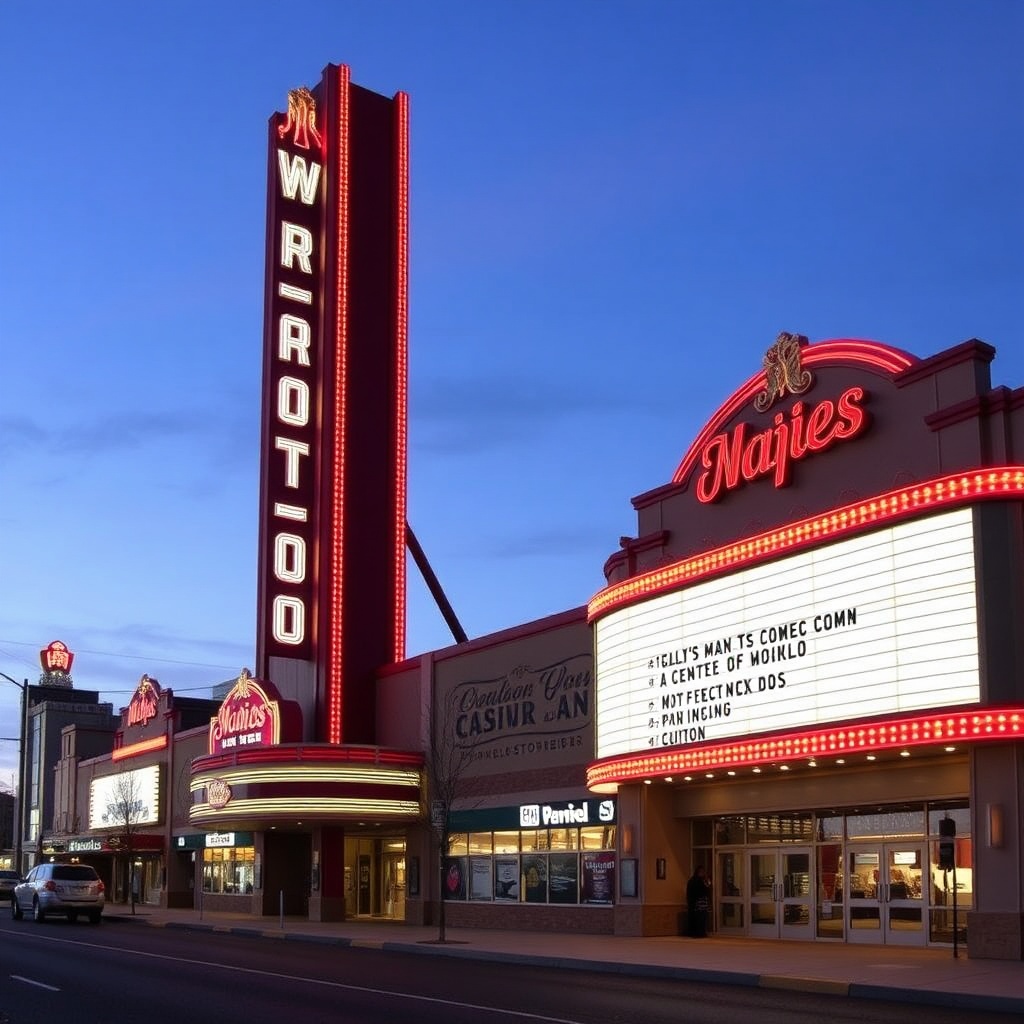
Looking for Alternatives in a Changing Market
As physical locations shut down due to Washington casino closures, new opportunities arise.
The digital gaming market is expanding at an incredible rate.
Online platforms offer a level of convenience that physical casinos struggle to match.
This shift is a direct response to the trends driving Washington casino closures.
Players are finding excitement in apps and web-based interfaces.
While this doesn’t solve the problem of lost physical jobs, it keeps the industry alive.
The evolution of gaming is a double-edged sword for the Pacific Northwest.
It offers growth in new sectors while causing decline in traditional ones.
We must adapt to the reality that Washington casino closures are part of a larger cycle.
The industry will continue to evolve, whether through brick-and-mortar or digital means.
Staying informed about these shifts is vital for both workers and players alike.
The trend of Washington casino closures will likely serve as a blueprint for other states.
As more regions face similar pressures, the lessons learned here will be invaluable.
In summary, the era of traditional gaming is facing its greatest challenge yet.
The impact of Washington casino closures will be felt for years to come.
We must watch closely as the situation develops throughout 2026.
The resilience of the local communities will be tested by these Washington casino closures.
Only time will tell if new models can replace what has been lost.
Conclusion
Washington casino closures represent a pivotal moment for the gaming industry in the United States.
The loss of eight casinos and 850 jobs is a significant economic blow to the region.
We have seen how economic pressures and digital shifts drive these closures.
The communities affected will need support as they navigate this difficult transition.
While the future of physical casinos in Washington looks uncertain, the industry as a whole remains strong.
Adaptability will be the key to survival for any gaming entity in the coming years.
Thank you for reading our deep dive into this critical industry update.
Recommended Casinos
Read More







Recent News




Recent Gambling News